Sharing the Kodály Spirit in UK Schools
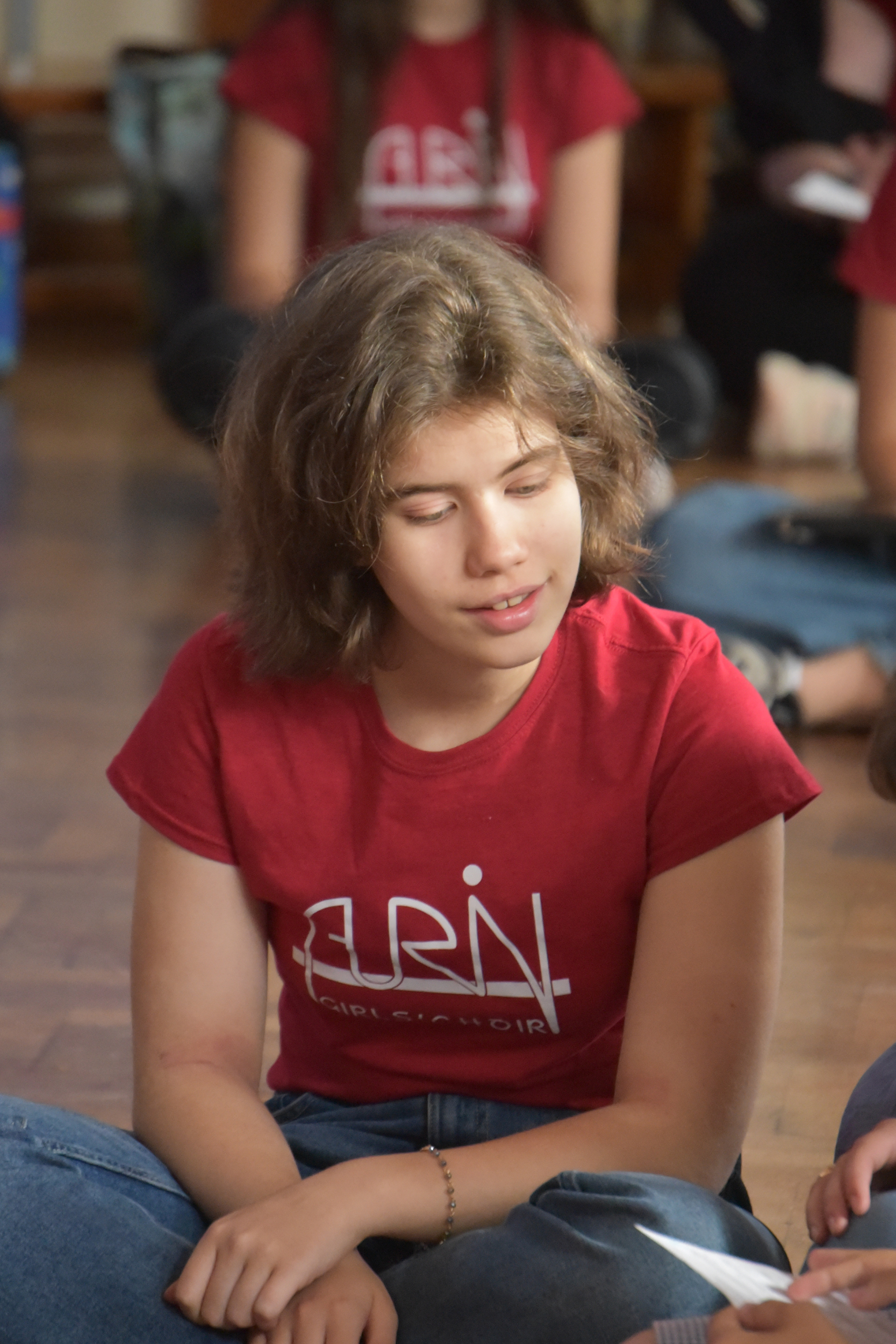
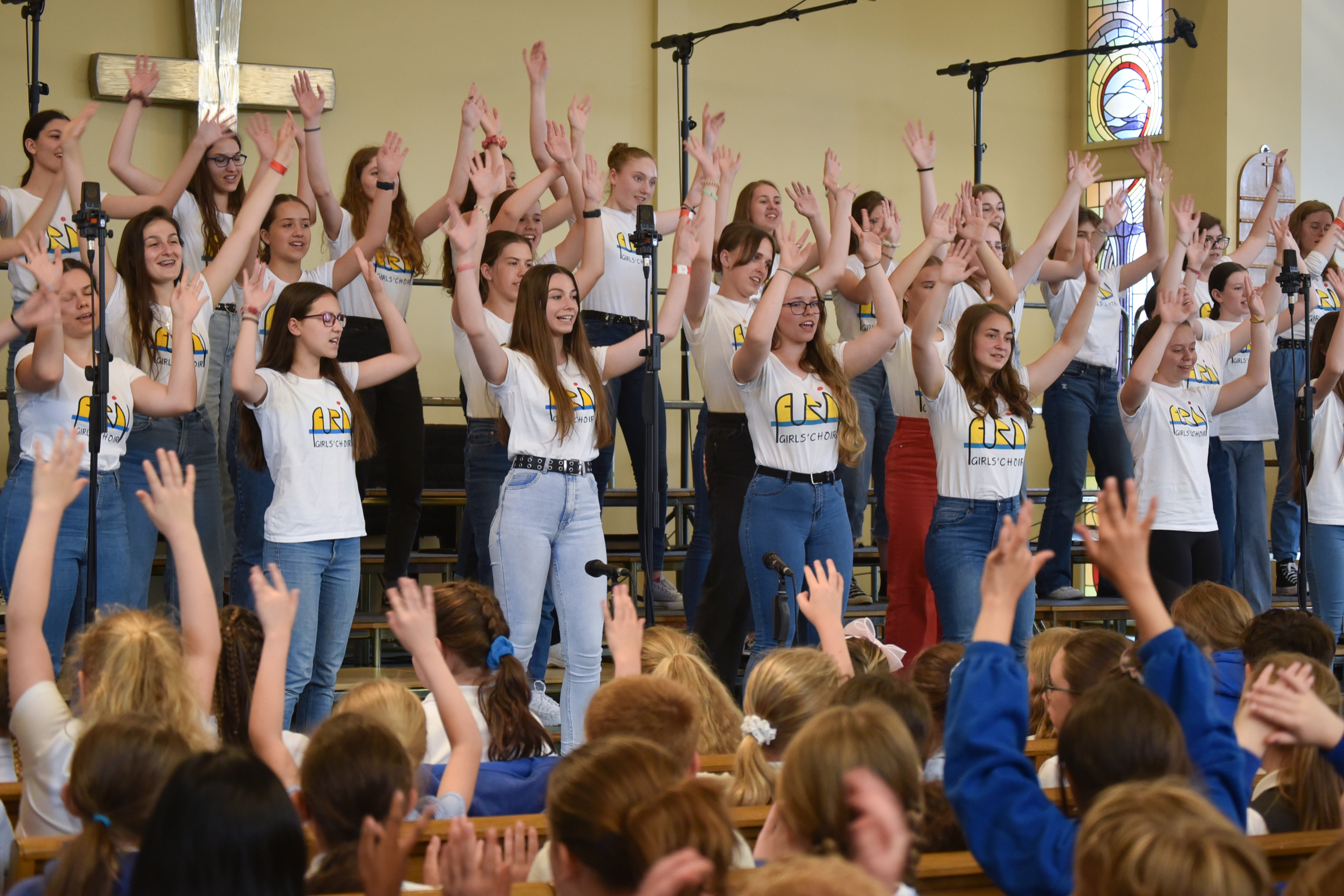
For over 25 years, summer has marked a special tradition for the leaders behind ImMusic: traveling from Hungary to the UK to bring Kodály-inspired music workshops to local schools and choirs. What began in 1998 as a cultural exchange has grown into a rich practice of musical collaboration, educational discovery, and playful learning with the participation of young singers from the Aurin Girls’ Choir and Miraculum Children’s Choir of Kecskemét.
But this isn’t about concerts or performances. It’s about something deeper: the joy of learning through music games, and how those games help children connect with themselves and each other – regardless of their musical background.
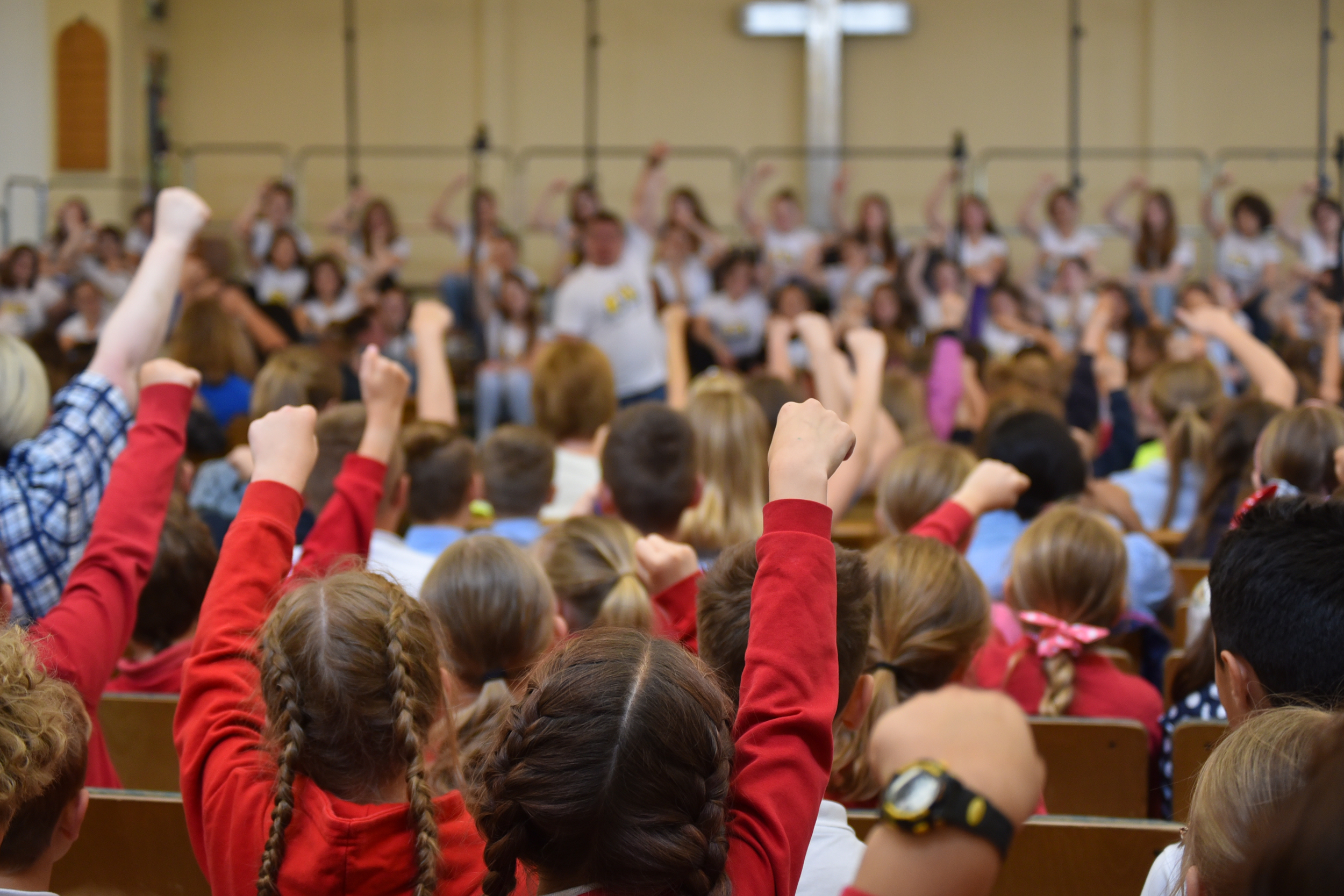
In 2023, our team returned to England for two full weeks, leading workshops in Bruton, Liverpool, Barnsley, and Guildford. Each session brought together children of different ages and experiences – some familiar with solfa hand signs, others brand new to music-making. What they all had in common? A readiness to play, sing, move, and learn.
Each school welcomed us with open arms and very different starting points. Some children had musical training, others had never sung in a group before. But it didn’t matter.
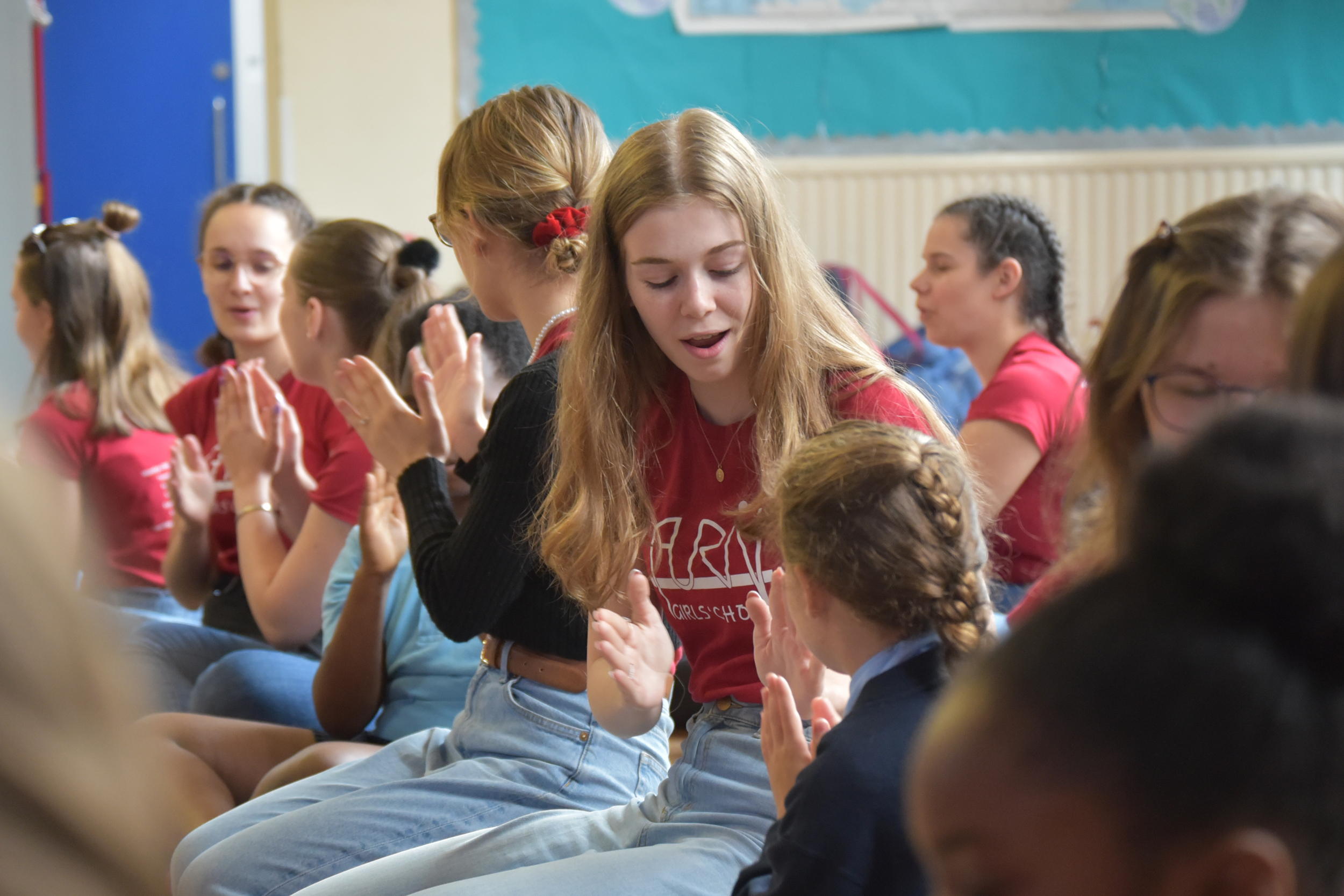
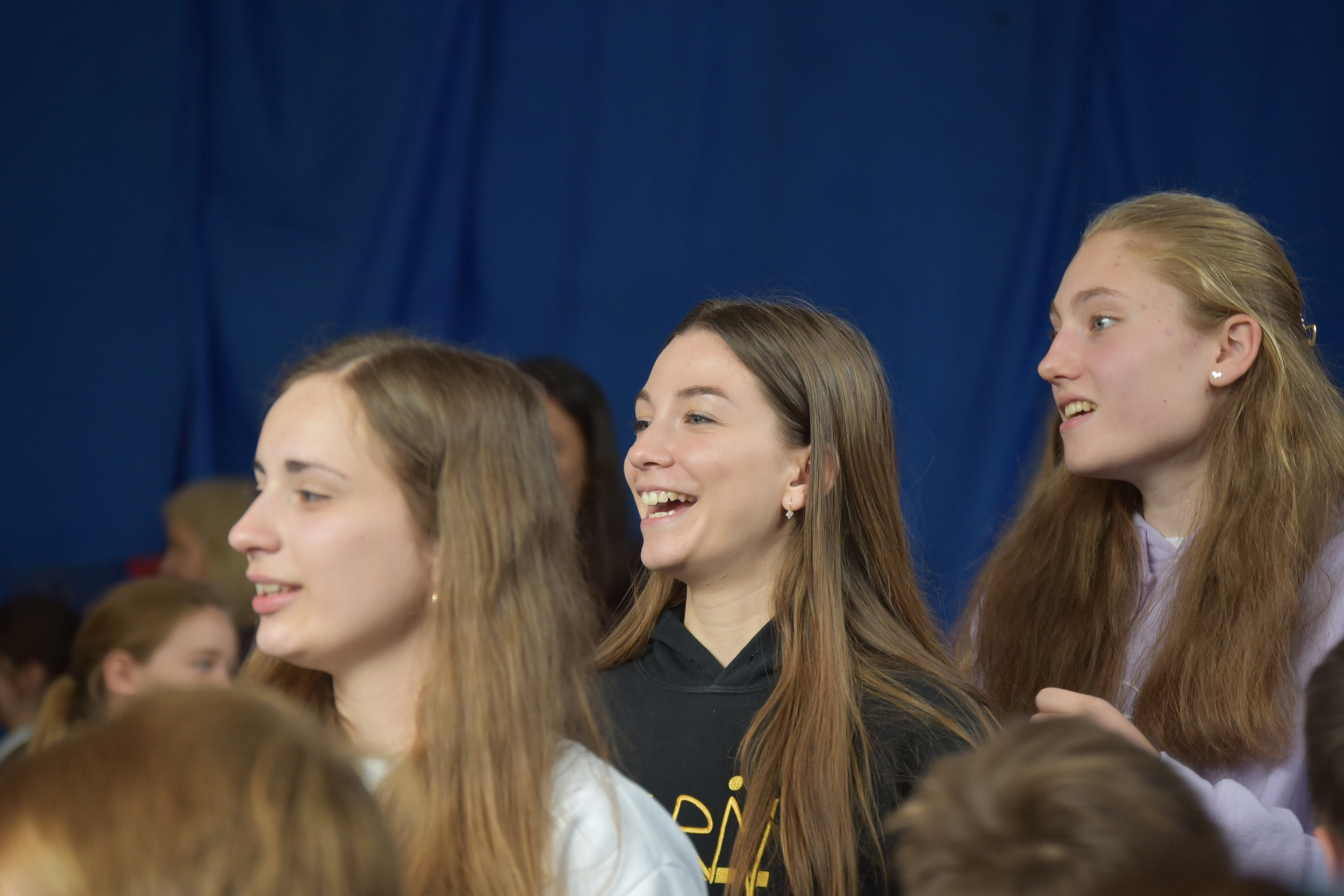
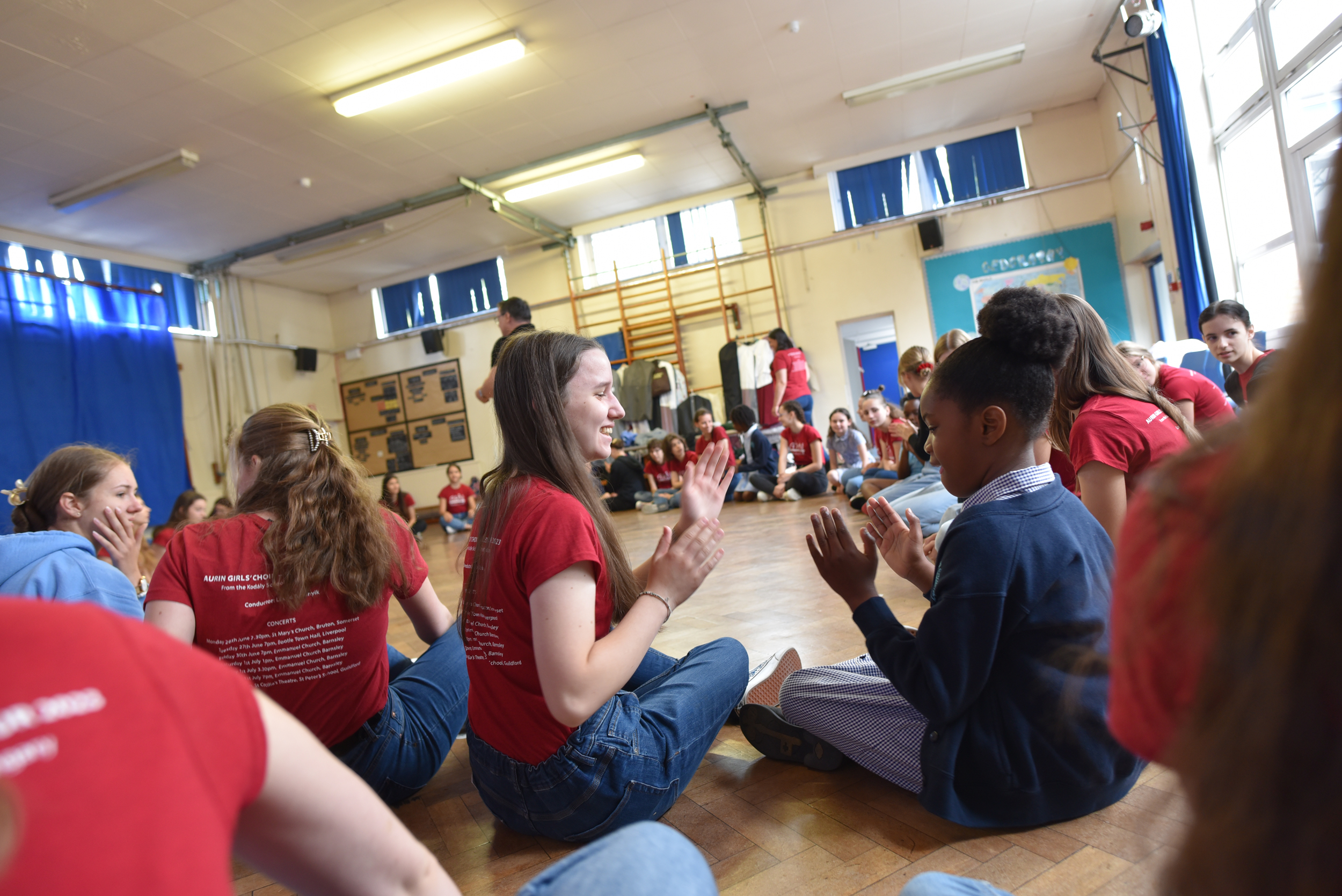
Because when the clapping games begin, and when voices rise in call-and-response folk songs, something shifts. Whether it’s a group of six-year-olds or teenagers, something unlocks. Children laugh, echo rhythms, follow hand signs, create music together. Suddenly, a classroom turns into a community.
Learning through play
These workshops aren’t just about musical technique. They’re about confidence, collaboration, expression, and joy. The games we bring – whether they’re simple imitations or multi-part movement sequences – work equally well as warm-ups, team-building tools, or classroom energizers.
Time and again, teachers tell us how valuable these sessions are. Many stay to chat afterward. Some have even prepared their classes for the visit, learning Hungarian songs or watching videos about the Kodály method. Others observe with curiosity, and later ask: Could we use these games every week? Would this work in our assemblies? Could our staff learn this, too?
The answer is always: yes. These games are adaptable. They can be as light-hearted or as structured as needed. And they work not only in music classes, but across subjects, age groups, and school settings.
A two-way exchange
For us, these visits are equally enriching. We get to see the value of music-based learning beyond our own traditions – to witness how a small musical idea can ripple out into a whole school’s energy. It reminds us that these tools aren’t only for choirs or workshops, but have a place in formal education too – if approached with openness and creativity.
In a time when children (and teachers) are under pressure, music can be a release. A way to reconnect with the body, the breath, the group. A playful return to rhythm and voice.