
Ma.Mu Meets ImMusic
Ma.Mu Meets ImMusic
How Ma.Mu and ImMusic inspire each other through music-based learning
Over the past years, two interconnected Erasmus+ initiatives – Ma.Mu (Math & Music) and ImMusic (Interdisciplinary Music Learning Tools for Youth Work) – have shaped a unique approach to inclusive music education and interdisciplinary learning. While each project targets a different age group and educational setting, their shared methodology, game-based development strategies, and core philosophy of accessibility through music link them together in meaningful ways.
What is Ma.Mu?
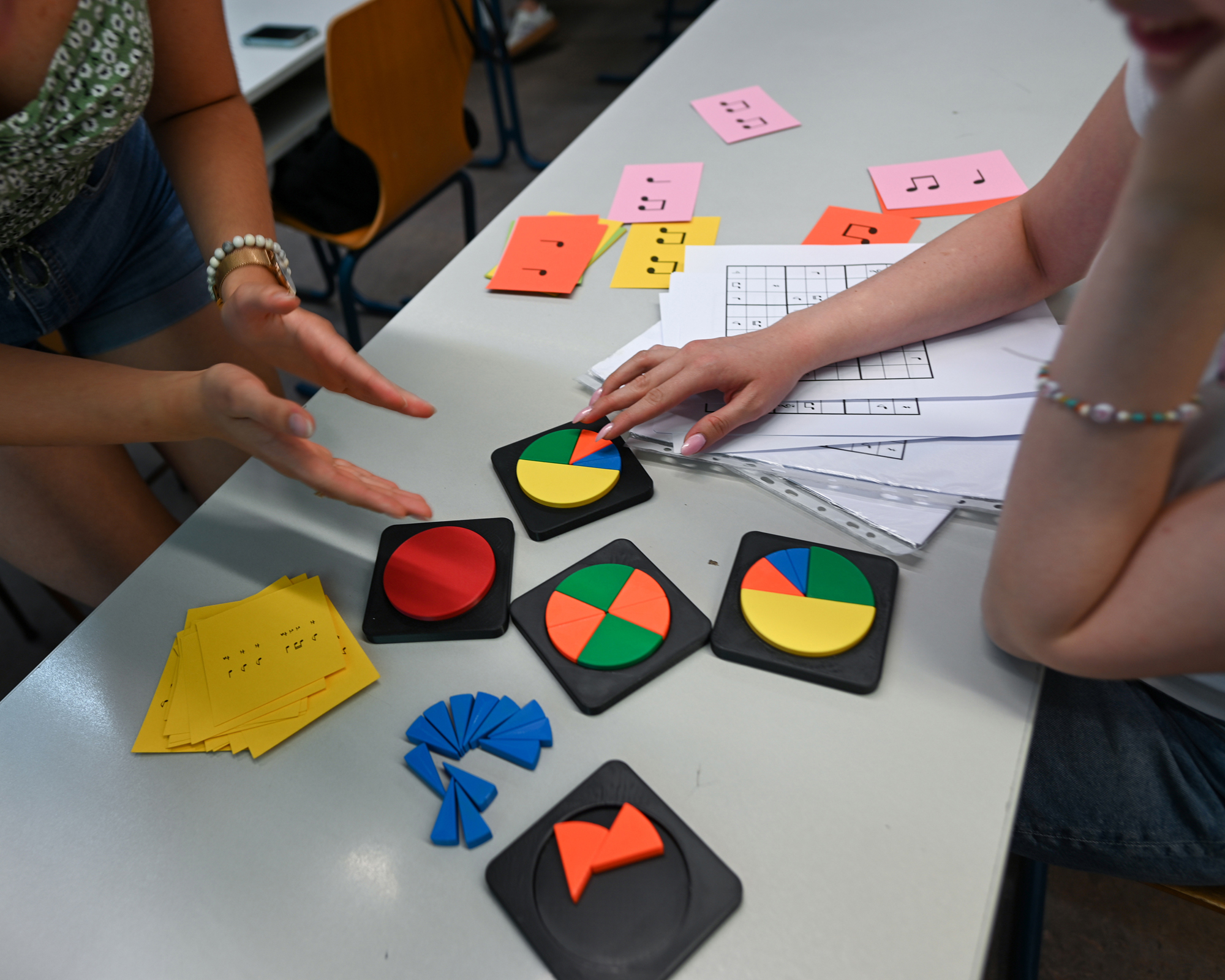
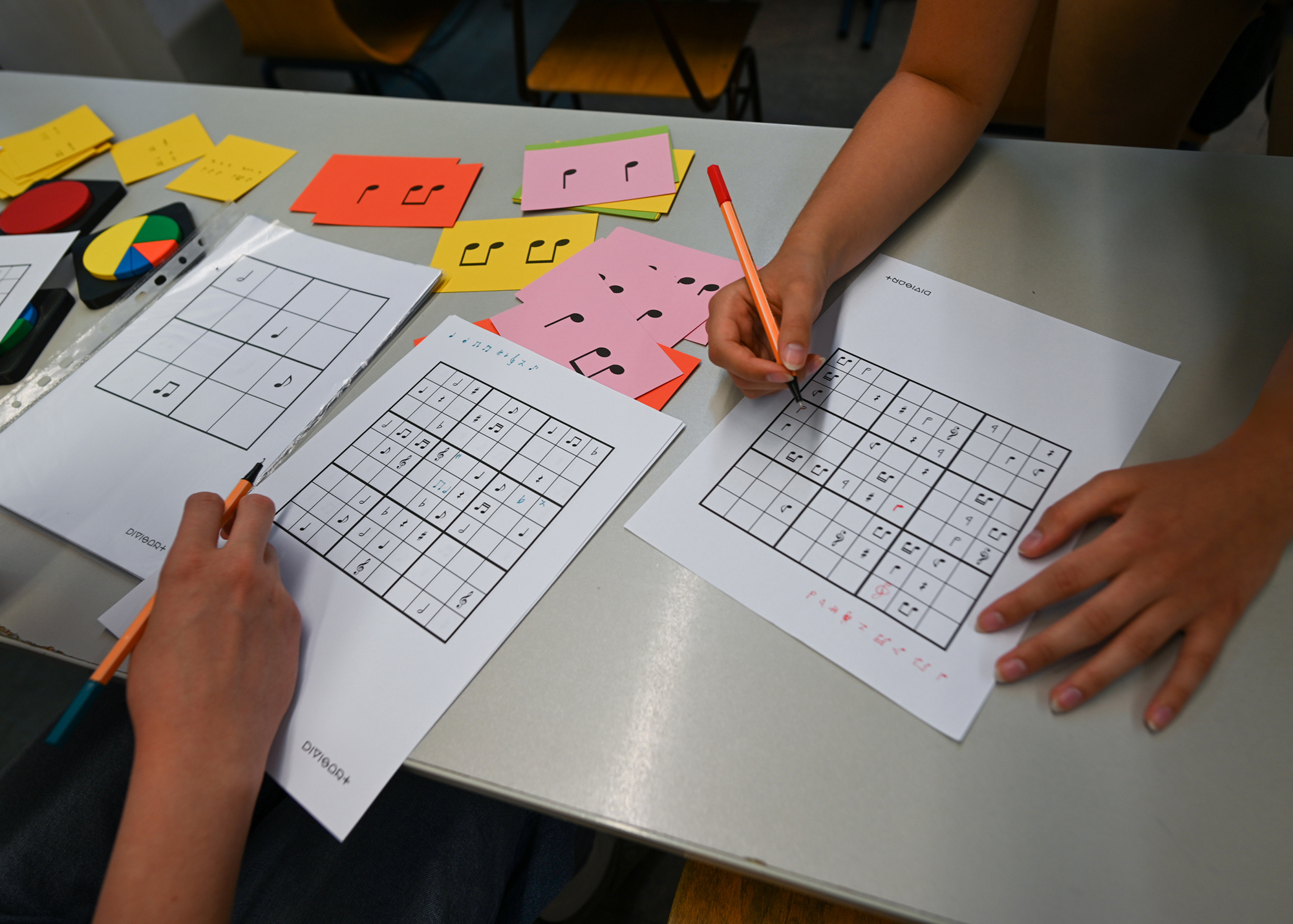
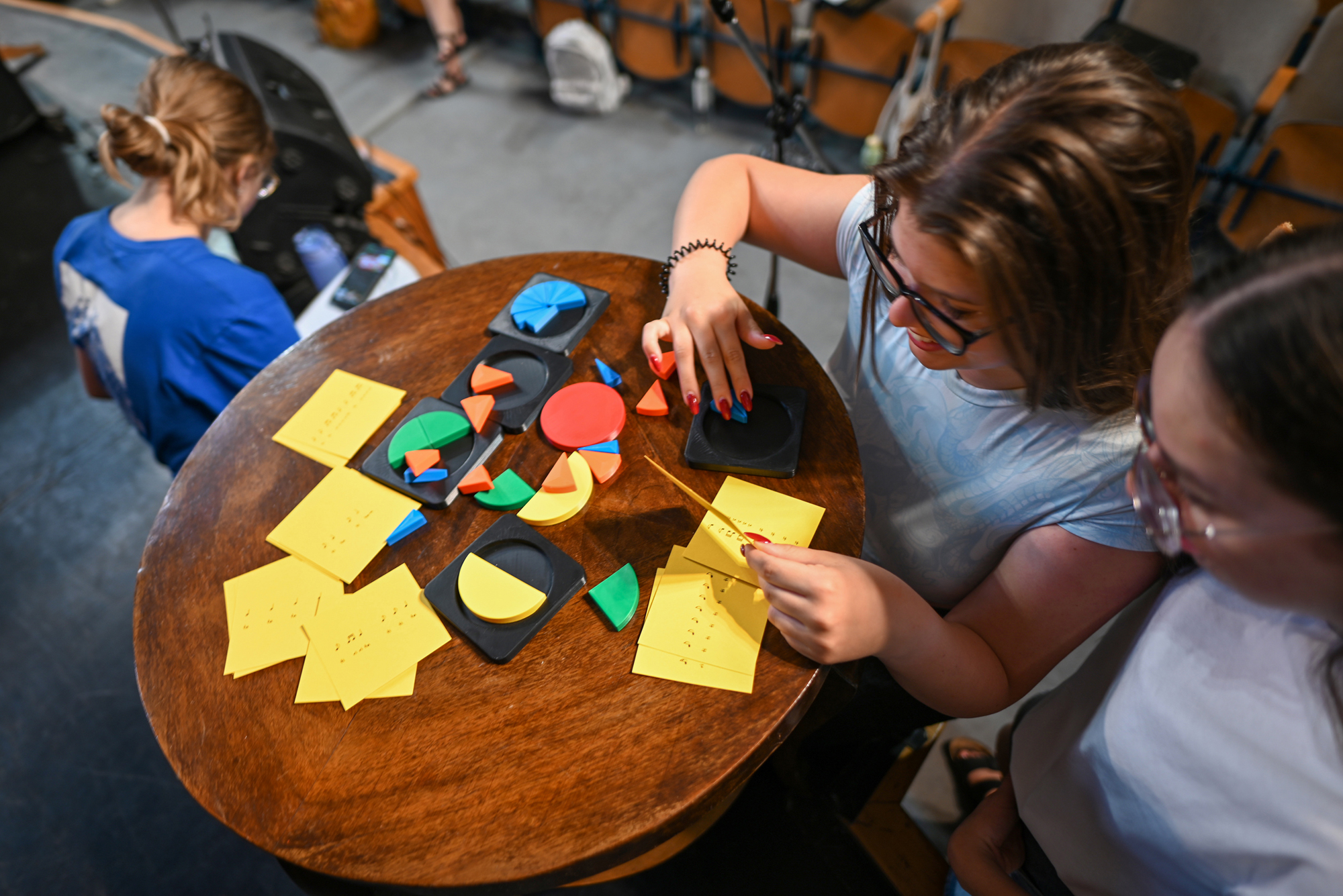
Ma.Mu (2024–2025) is a strategic Erasmus+ partnership project aimed at developing creative tools for supporting children with dyscalculia – a learning difficulty affecting numerical understanding – through musical activities. The project focuses on children aged 6 to 15, particularly in primary education, and seeks to empower teachers and educators with user-friendly, non-musician-dependent exercises that strengthen mathematical and logical thinking.
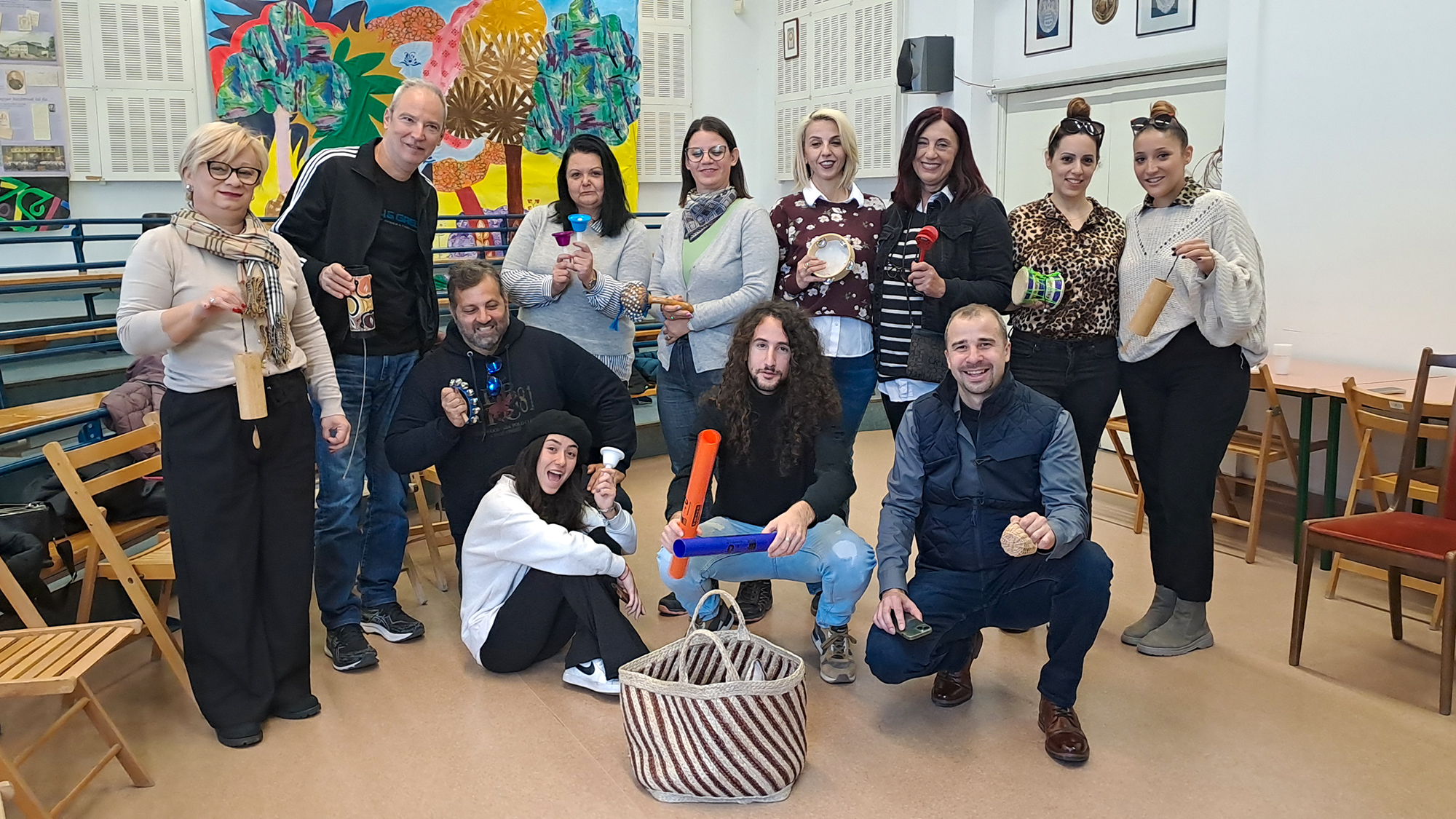
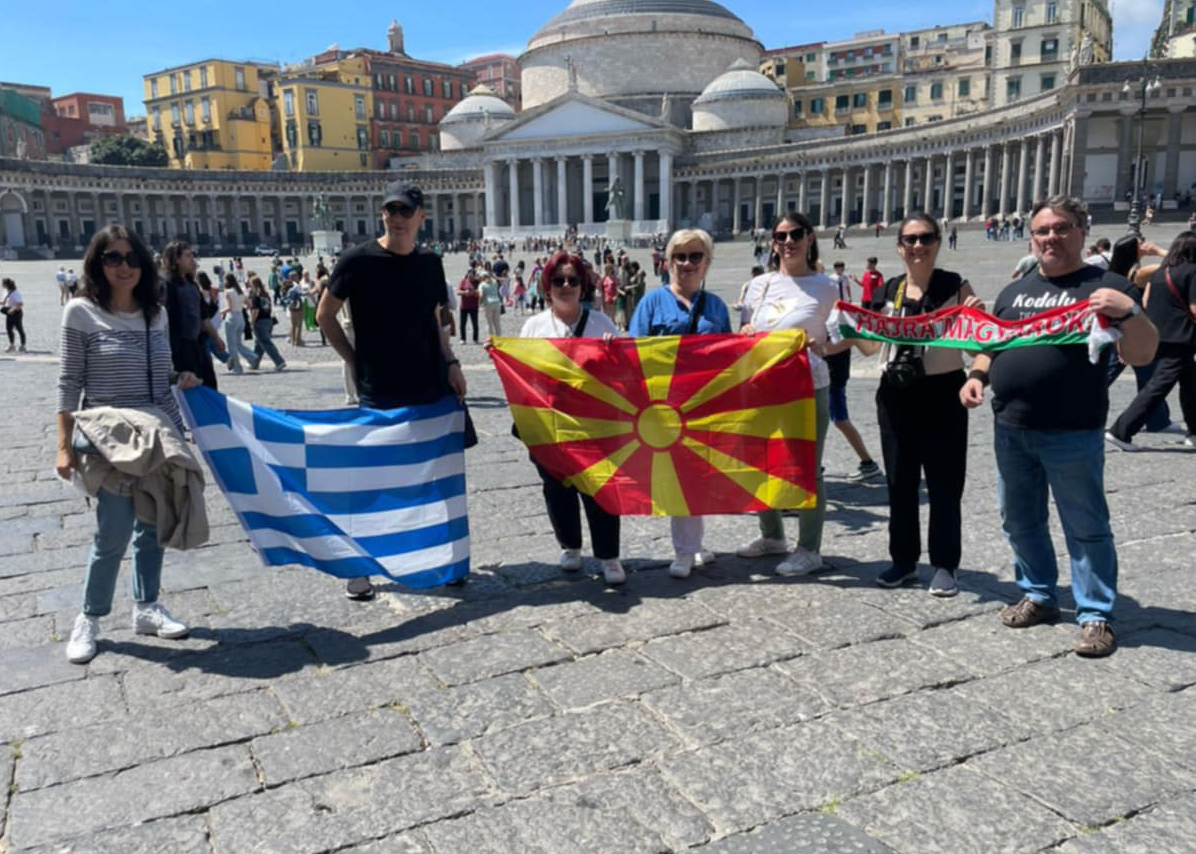
The project is led by the Italian association Bellezza DIECI, with a diverse international partnership that includes schools from Greece and North Macedonia, as well as the Aurin and Miraculum Foundation from Hungary. The Hungarian coordination was carried out by Edit Palinkas, who played a key role in developing a wide range of exercises – from rhythm-based fraction games to melodic pattern puzzles.
A strong emphasis was placed on making music not the subject of learning, but a tool for understanding abstract concepts, effectively bridging creativity with cognitive development. The resulting toolkit supports both inclusive classroom practices and broader educational innovation through the lens of music and play.


ImMusic: A parallel path with broader reach
In parallel, the ImMusic project focused on older youth—secondary school students and young adults up to 30 years of age—developing a methodology and toolset to support youth workers in integrating music-based learning into broader personal and social development goals.
While Ma.Mu works more directly within the classroom context, ImMusic is deeply embedded in non-formal learning environments, offering playful resources for group facilitation, creativity, and collaboration. Both projects, however, rely on the same foundational principles: music as a universal language, gamification as an educational strategy, and accessibility as a core value.
Shared elements: Gamification as a common ground
The game development approach in Ma.Mu and ImMusic follows the same philosophy: low-threshold, modular activities that combine fun with function. The idea is to transform abstract or complex concepts– whether mathematical operations or emotional competencies – into tangible, playful experiences through music.
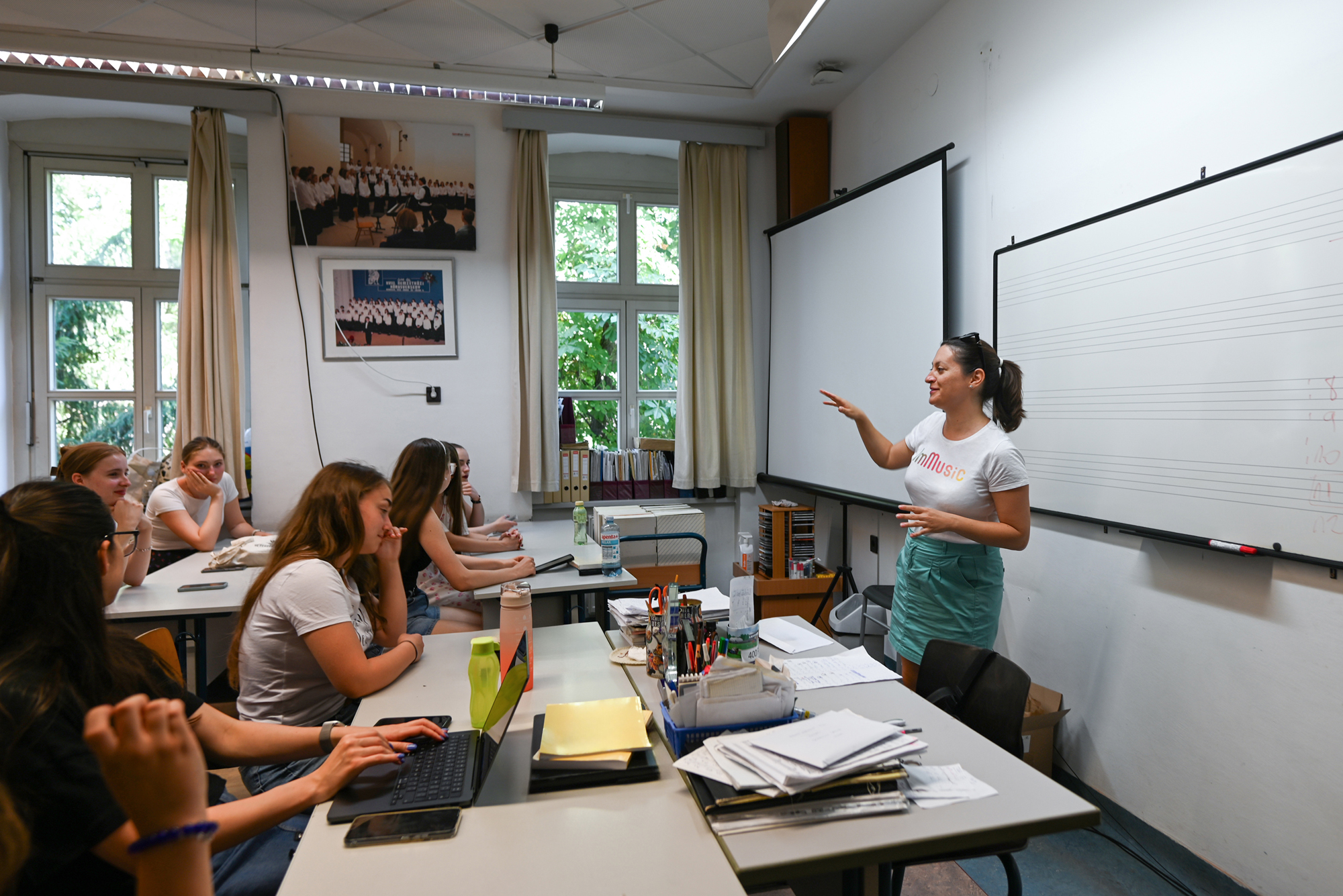
During the Hungarian multiplier event of Ma.Mu in November 2024, Edit Palinkas showcased selected ImMusic games to illustrate how certain structures developed in ImMusic could be adapted for younger audiences. She reflected on how user feedback and testing from ImMusic helped inform the gamified exercises in Ma.Mu, ensuring they were both engaging and effective.
Furthermore, when writing the section on gamification methodology in the Ma.Mu Handbook, Edit integrated ImMusic insights, drawing attention to best practices in flow design, motivational elements, and adaptive challenge levels. The result is a more comprehensive pedagogical perspective that spans across age groups and educational settings.
Complementary target groups, unified mission
While Ma.Mu and ImMusic differ in audience – primary vs. secondary/young adult learners – they are united by a shared mission: to make music a gateway to learning, confidence-building, and creativity. Educators, facilitators, and cultural professionals who work across age ranges will find natural synergies between the two projects, with many Ma.Mu tools serving as preparatory steps for ImMusic activities.
Looking ahead
The collaboration and cross-pollination between Ma.Mu and ImMusic demonstrate the power of coherent educational design across Erasmus+ initiatives. As more practitioners discover the tools and insights of both projects, the potential to scale up their impact – in schools, youth centers, and beyond – continues to grow.
The work of Edit Palinkas, both as Ma.Mu’s coordinator and a core developer in ImMusic, is a testament to the value of interdisciplinary thinking and long-term strategy in cultural and educational innovation.
Recent Comments