Please ensure Javascript is enabled for purposes of website accessibility

Fresh Look, Clearer Mission – The New ImMusic Website is Live!

Fresh Look, Clearer Mission – The New ImMusic Website is Live!

We’re excited to share that the ImMusic website has just had a complete makeover – and it’s more than just a new coat of paint. The redesigned site reflects a new chapter in the life of ImMusic: brighter, bolder, and more connected to our community of music educators, youth workers, and curious learners.

What’s new?

The new ImMusic site is built around interaction and involvement. You’ll still find all the essentials – our games, tools, and project background – but now with:

  • Clearer pathways to hire us for a workshop, training, or talk
  • A space to connect with us directly, ask questions, or suggest collaborations
  • New opportunities to be featured on our website and social media – share photos, videos, or stories of how you use ImMusic in your classroom, youth centre, or rehearsal
  • A cleaner, brighter design that matches the playful, creative nature of our work

We want the site to be a living platform, not just a library. Whether you’re a teacher, a youth worker, or just someone who loves rhythm games and body percussion – this space is for you.

New management, same values

This fresh start is also reflected behind the scenes. ImMusic is now led by Edit Pálinkás and her team at Divisart, a creative agency with deep roots in music education, cultural projects, and international collaboration.
Edit, who coordinated Hungary’s contributions to both ImMusic and Ma.Mu, is bringing her full focus to projects that connect music, education, and social inclusion. With years of experience in youth choirs, music training, and Erasmus+ partnerships, she is now guiding ImMusic into its next phase with a vision that is both professional and playful.

Join the movement

ImMusic is not just a toolkit – it’s a way to make learning joyful, inclusive, and creative. With the new site, we’re making it easier to stay connected, share ideas, and build something meaningful – together.
So take a look around, get inspired, and if you’ve ever clapped in a circle, sung a folk song with strangers, or turned a rhythm into a game… you’re already part of the ImMusic story.
ImMusic Travels to Hong Kong with Aurin Girls’ Choir

ImMusic Travels to Hong Kong with Aurin Girls’ Choir

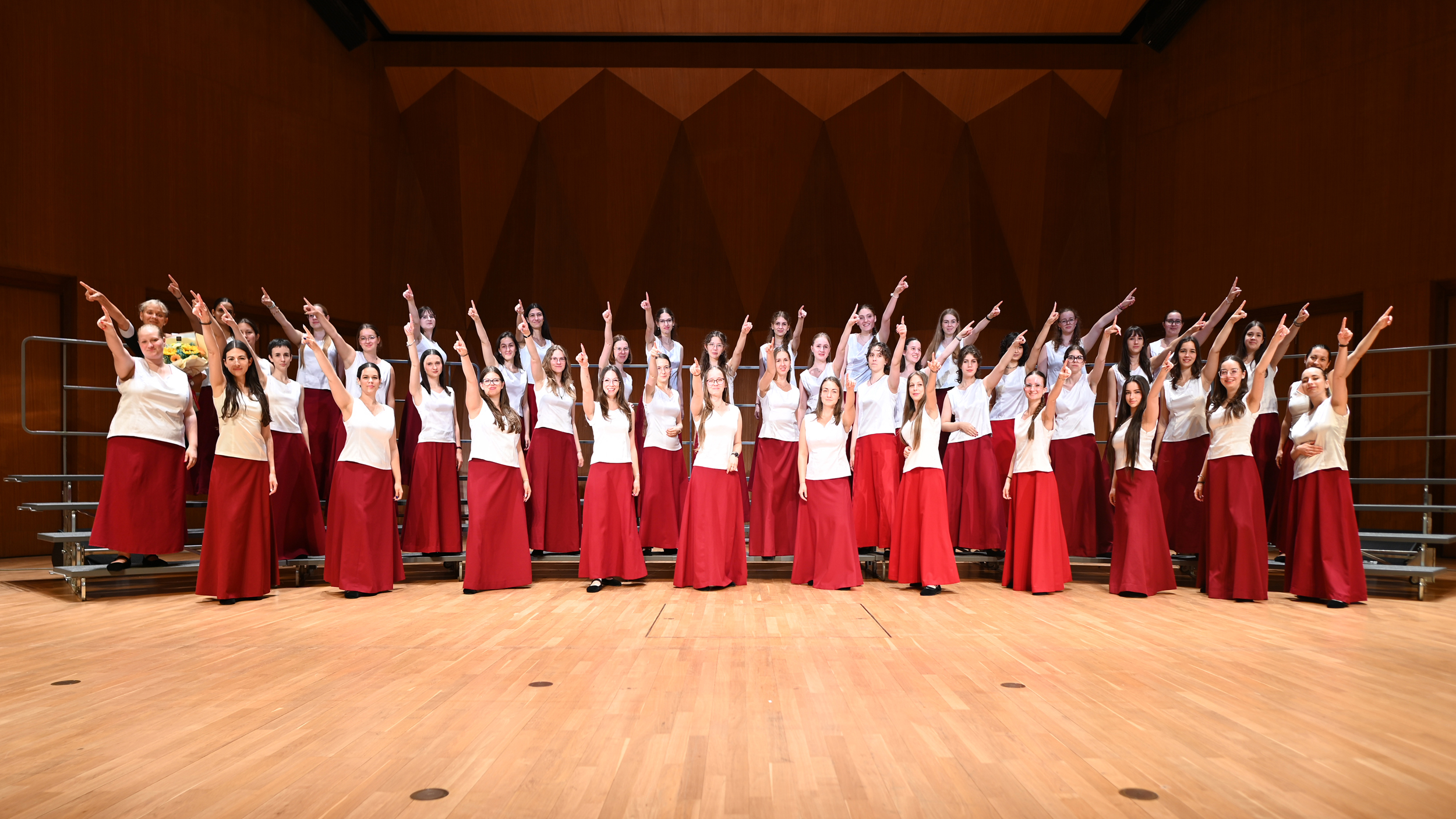
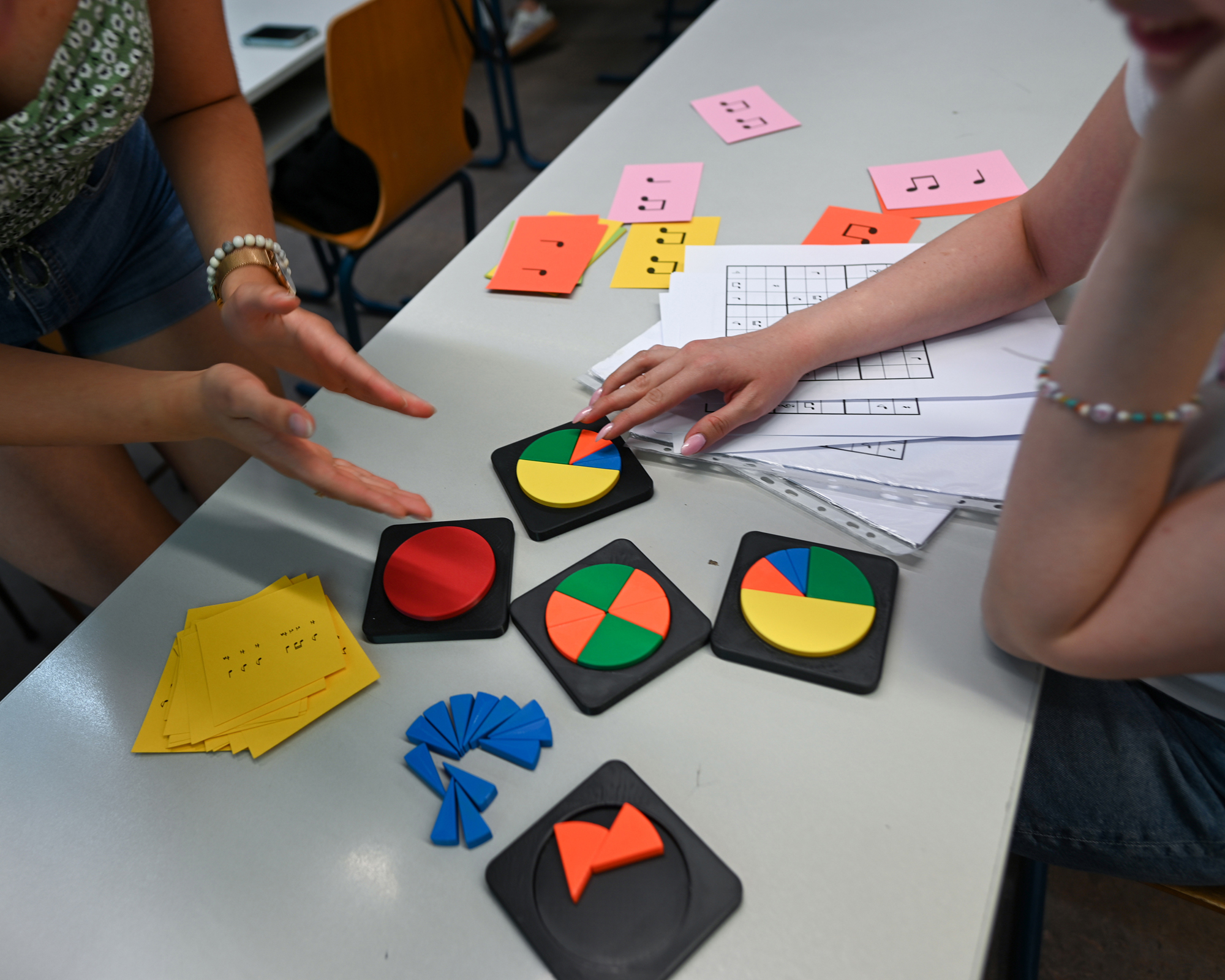
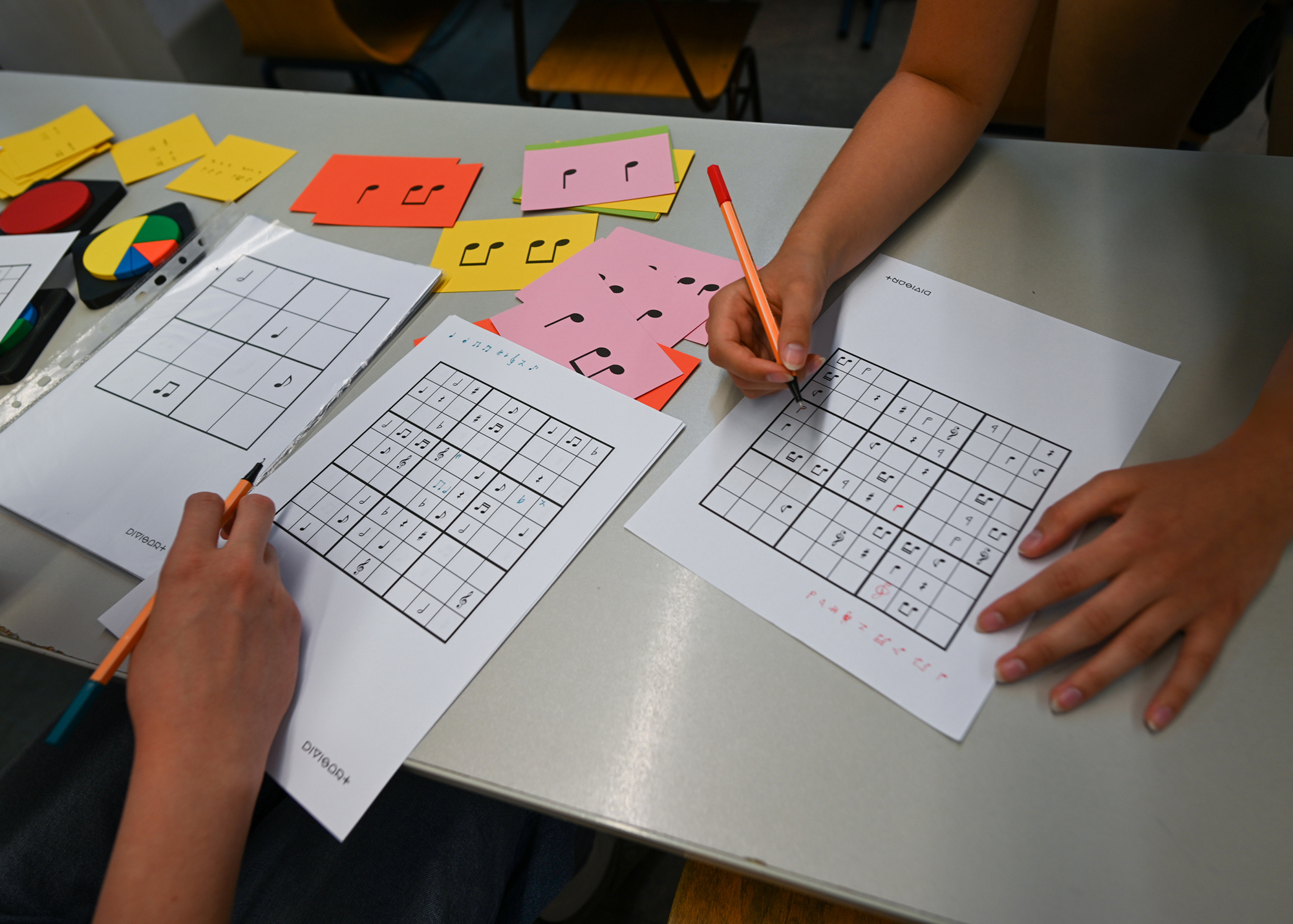
This summer, the Aurin Girls’ Choir from Kecskemét, Hungary, crossed continents to take part in the World Choir Festival in Hong Kong – and they didn’t travel alone. Alongside conductor László Durányik, and often behind the scenes with a suitcase full of music sudoku and rhythm cards, was Edit Palinkas from the Aurin and Miraculum Foundation, helping carry not just music, but also the message of ImMusic.

More than a performance

For those who’ve followed the ImMusic project, you already know it’s not just about musical knowledge – it’s about how we play, connect, and grow through music. And in Hong Kong, these values came to life in the most joyful way.

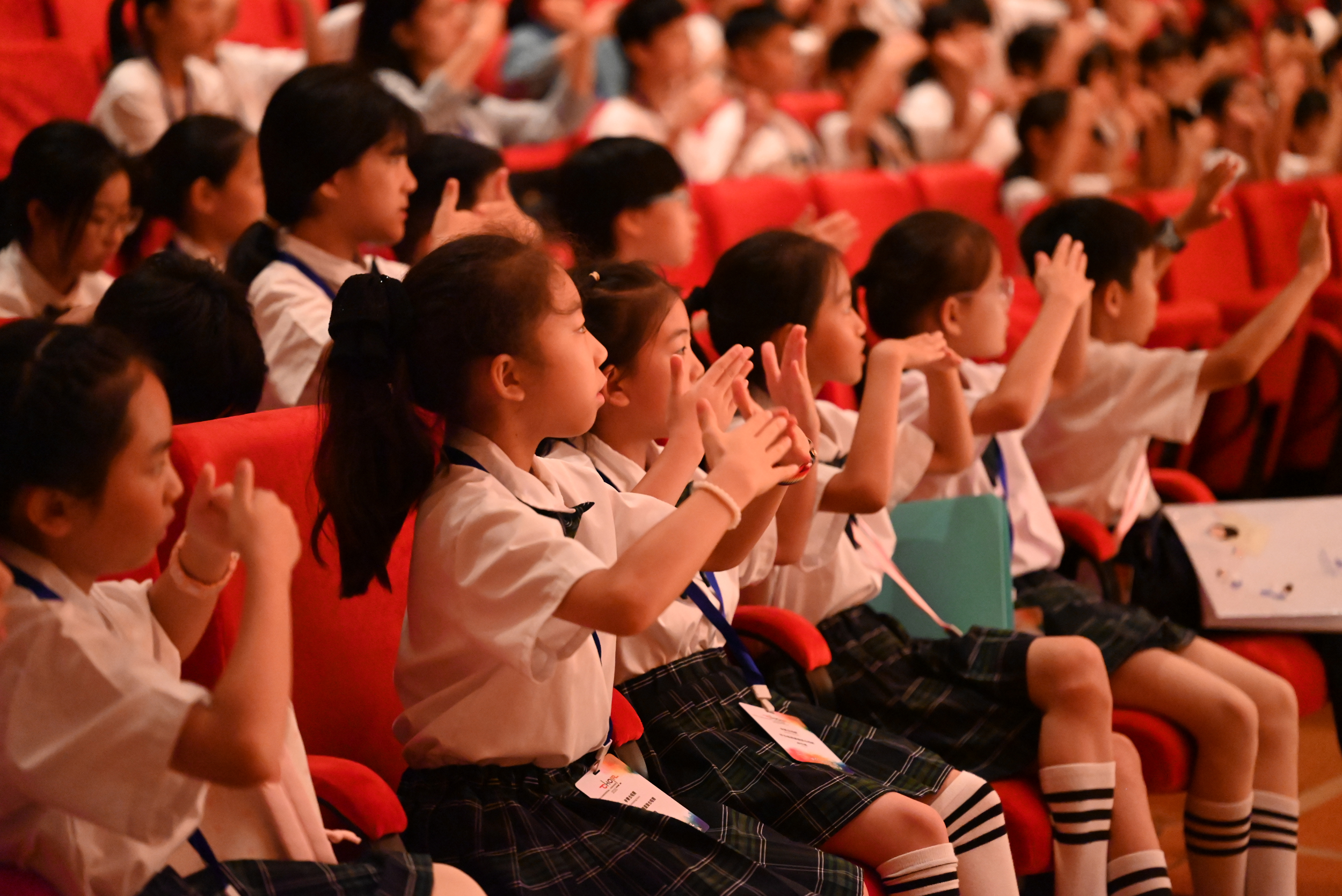
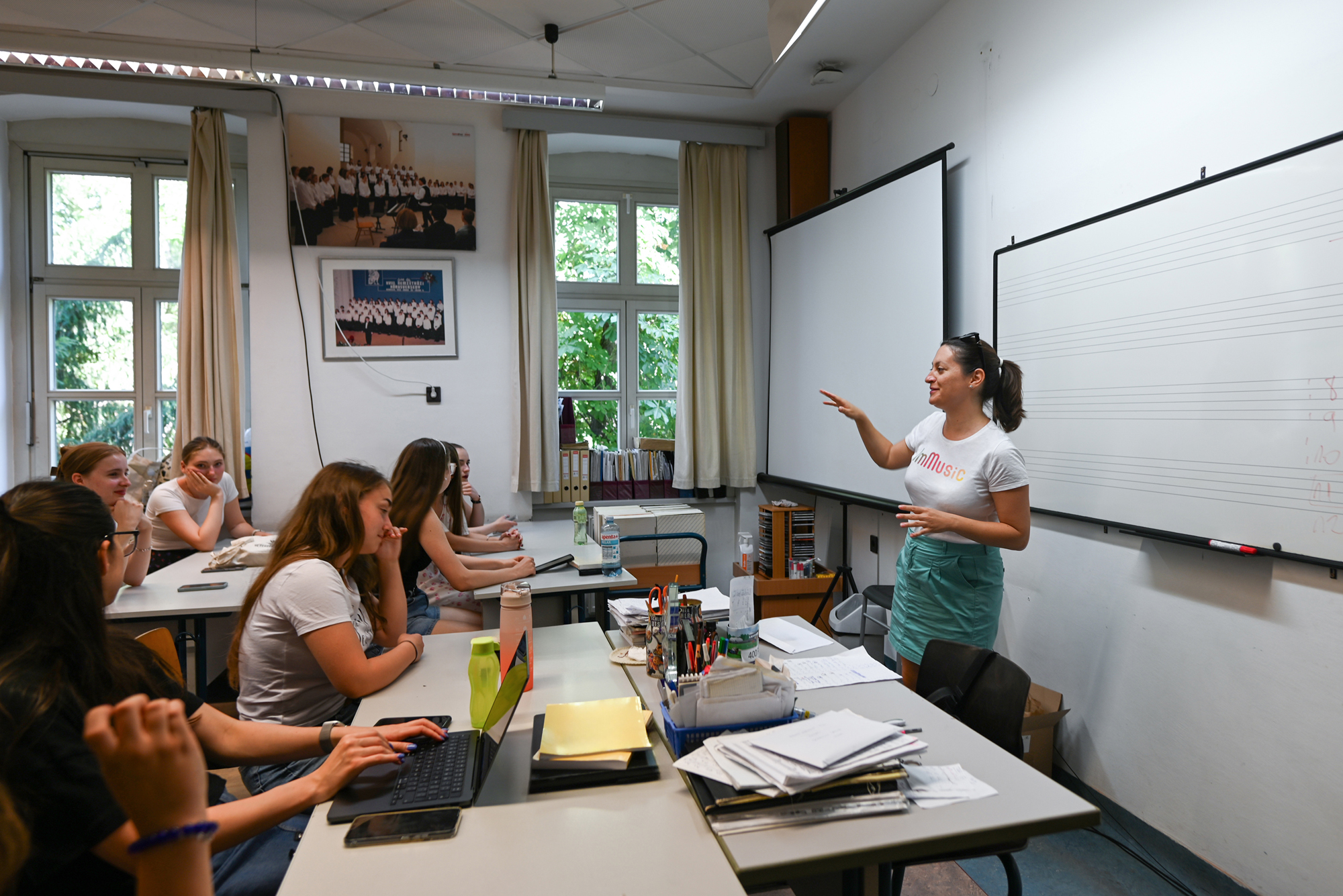
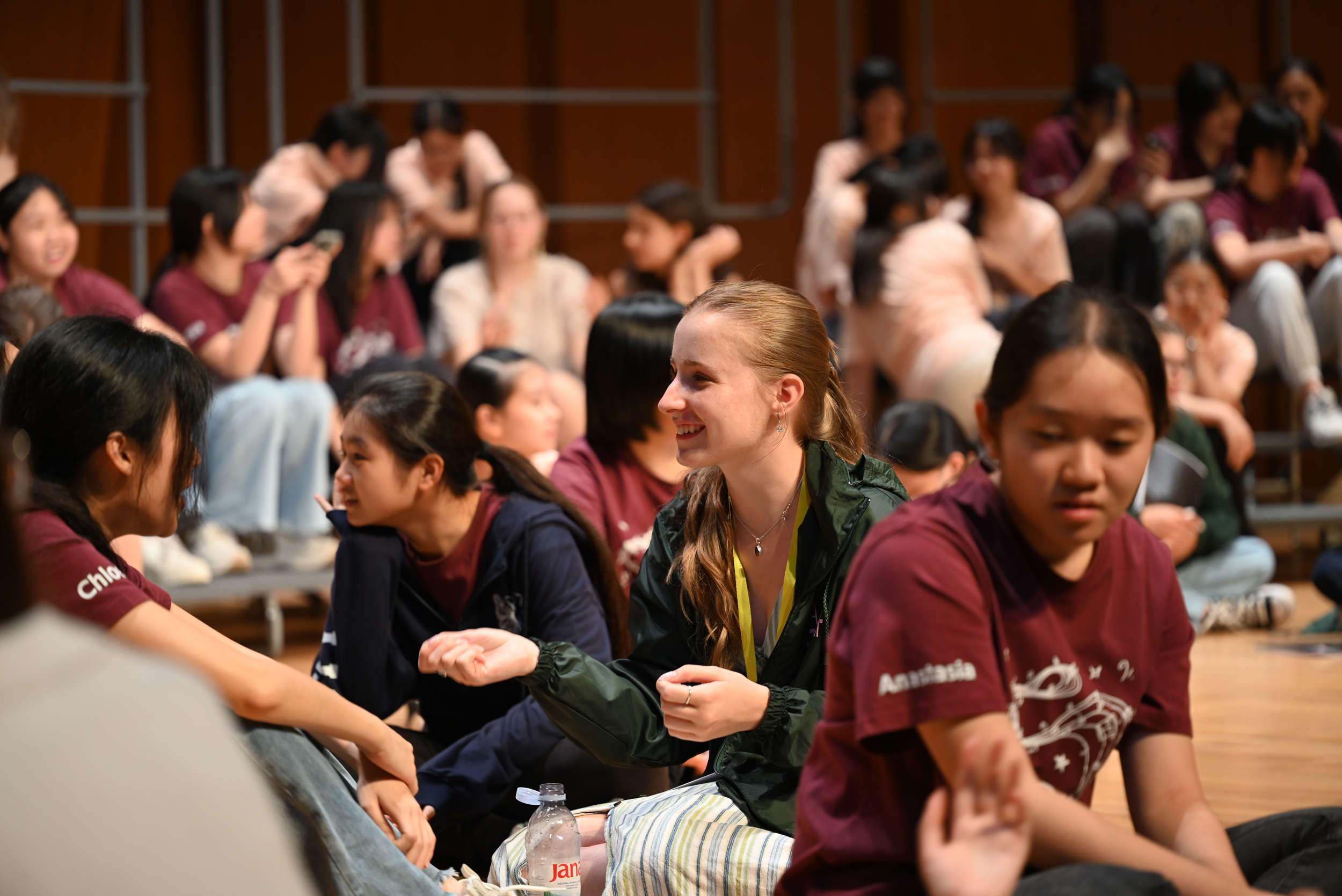
A special workshop led by László Durányik brought together children and teachers – most of them local, many deeply familiar with Kodály’s solfa system – in a room filled with clapping, laughter, and discovery. Hungarian and Chinese children learned folk songs together, sang in different languages, played rhythm games, and mirrored each other’s solfa hand signs with bright eyes and beaming smiles.

Solfa, of course, goes deeper than most ImMusic games, it’s a language of its own, rooted in musicianship. But everything else about the workshop? Pure ImMusic spirit. Body percussion, rhythm patterns, playful repetition, shared creativity – all designed to make music learning fun, active, and social.

From east to west and back again

It wasn’t just about the children, either. Around the edges of the room, teachers and educators watched intently. After the music stopped, the conversations began. How do we teach music in different countries? Why do so many kids stop making music after school? What does classical music mean to a 10-year-old in Budapest and how does it compare to a 10-year-old in Hong Kong?

What we heard over and over again was this: music is universal, but the way we bring it to life matters. And motivation is the key we’re all searching for.

A shared song

The festival was a celebration, but for us, it was also a chance to share the heart of ImMusic, to plant ideas, and to build friendships through the universal joy of singing together. We’re proud that the Aurin Girls’ Choir continues to be more than just a performing group, they are living ambassadors of collaborative, playful, and thoughtful music education.

And we’re even prouder that through their voices, the values of ImMusic are reaching further than ever.

Ma.Mu Meets ImMusic

Ma.Mu Meets ImMusic

How Ma.Mu and ImMusic inspire each other through music-based learning

Over the past years, two interconnected Erasmus+ initiatives – Ma.Mu (Math & Music) and ImMusic (Interdisciplinary Music Learning Tools for Youth Work) – have shaped a unique approach to inclusive music education and interdisciplinary learning. While each project targets a different age group and educational setting, their shared methodology, game-based development strategies, and core philosophy of accessibility through music link them together in meaningful ways.

What is Ma.Mu?

Ma.Mu (2024–2025) is a strategic Erasmus+ partnership project aimed at developing creative tools for supporting children with dyscalculia – a learning difficulty affecting numerical understanding – through musical activities. The project focuses on children aged 6 to 15, particularly in primary education, and seeks to empower teachers and educators with user-friendly, non-musician-dependent exercises that strengthen mathematical and logical thinking.

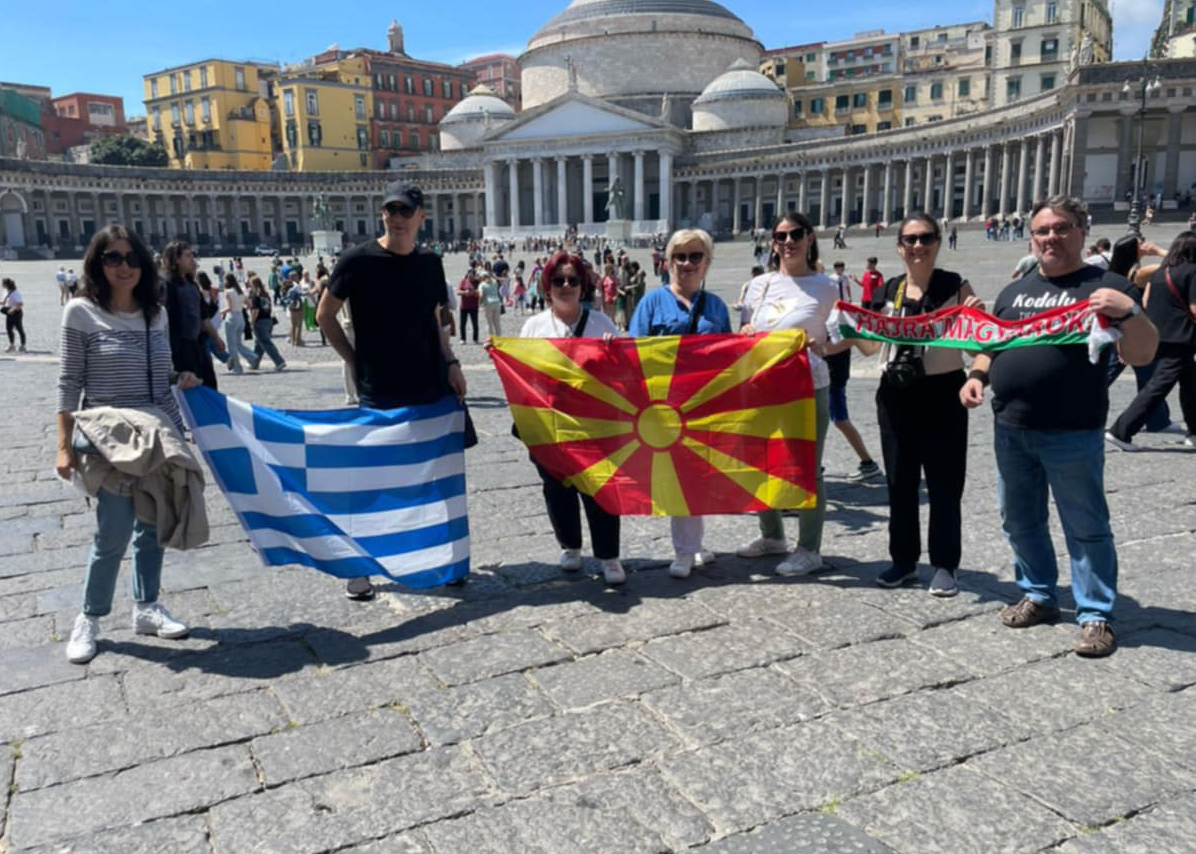
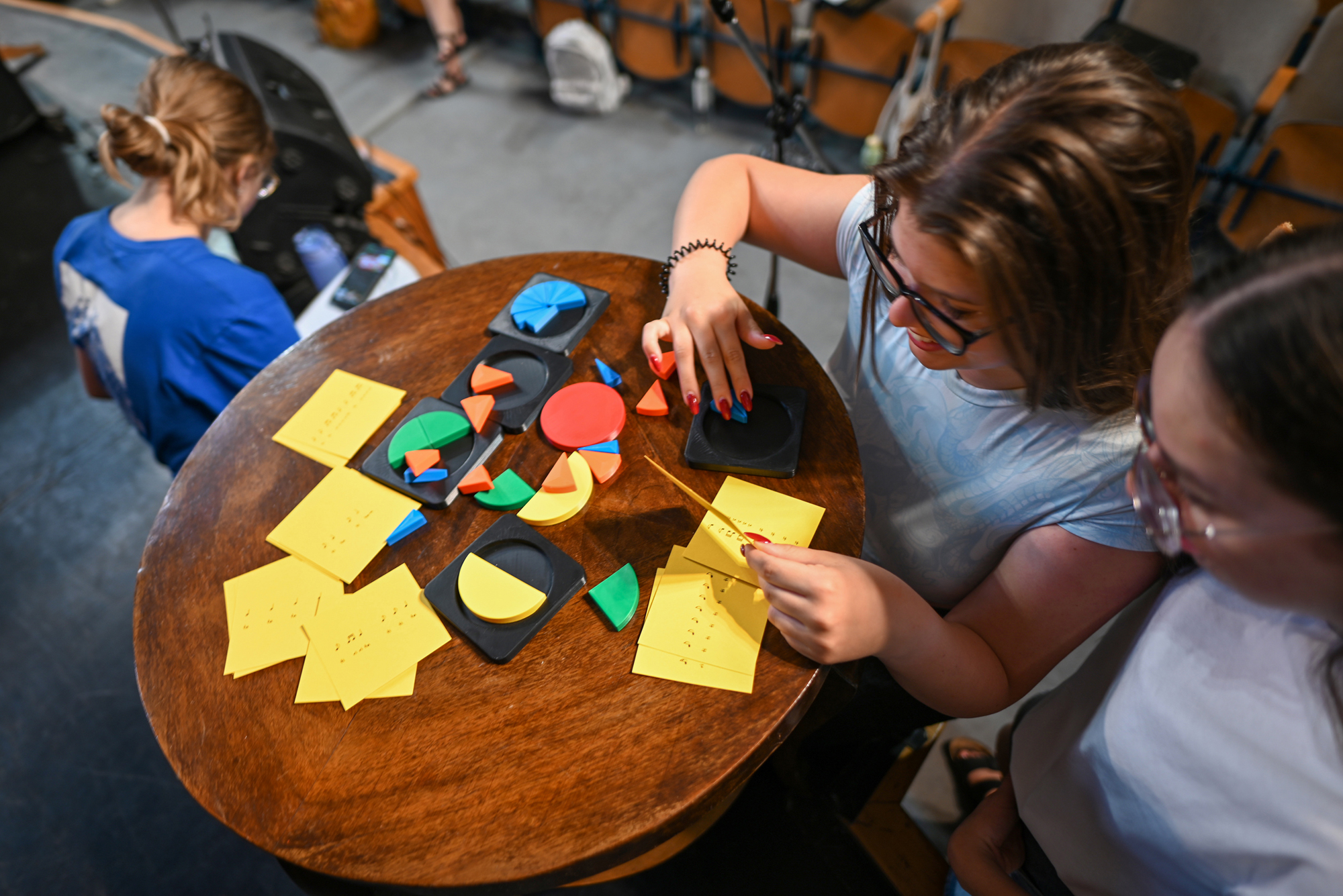
The project is led by the Italian association Bellezza DIECI, with a diverse international partnership that includes schools from Greece and North Macedonia, as well as the Aurin and Miraculum Foundation from Hungary. The Hungarian coordination was carried out by Edit Palinkas, who played a key role in developing a wide range of exercises – from rhythm-based fraction games to melodic pattern puzzles.

A strong emphasis was placed on making music not the subject of learning, but a tool for understanding abstract concepts, effectively bridging creativity with cognitive development. The resulting toolkit supports both inclusive classroom practices and broader educational innovation through the lens of music and play.

ImMusic: A parallel path with broader reach

In parallel, the ImMusic project focused on older youth—secondary school students and young adults up to 30 years of age—developing a methodology and toolset to support youth workers in integrating music-based learning into broader personal and social development goals.

While Ma.Mu works more directly within the classroom context, ImMusic is deeply embedded in non-formal learning environments, offering playful resources for group facilitation, creativity, and collaboration. Both projects, however, rely on the same foundational principles: music as a universal language, gamification as an educational strategy, and accessibility as a core value.

Shared elements: Gamification as a common ground

The game development approach in Ma.Mu and ImMusic follows the same philosophy: low-threshold, modular activities that combine fun with function. The idea is to transform abstract or complex concepts– whether mathematical operations or emotional competencies – into tangible, playful experiences through music.

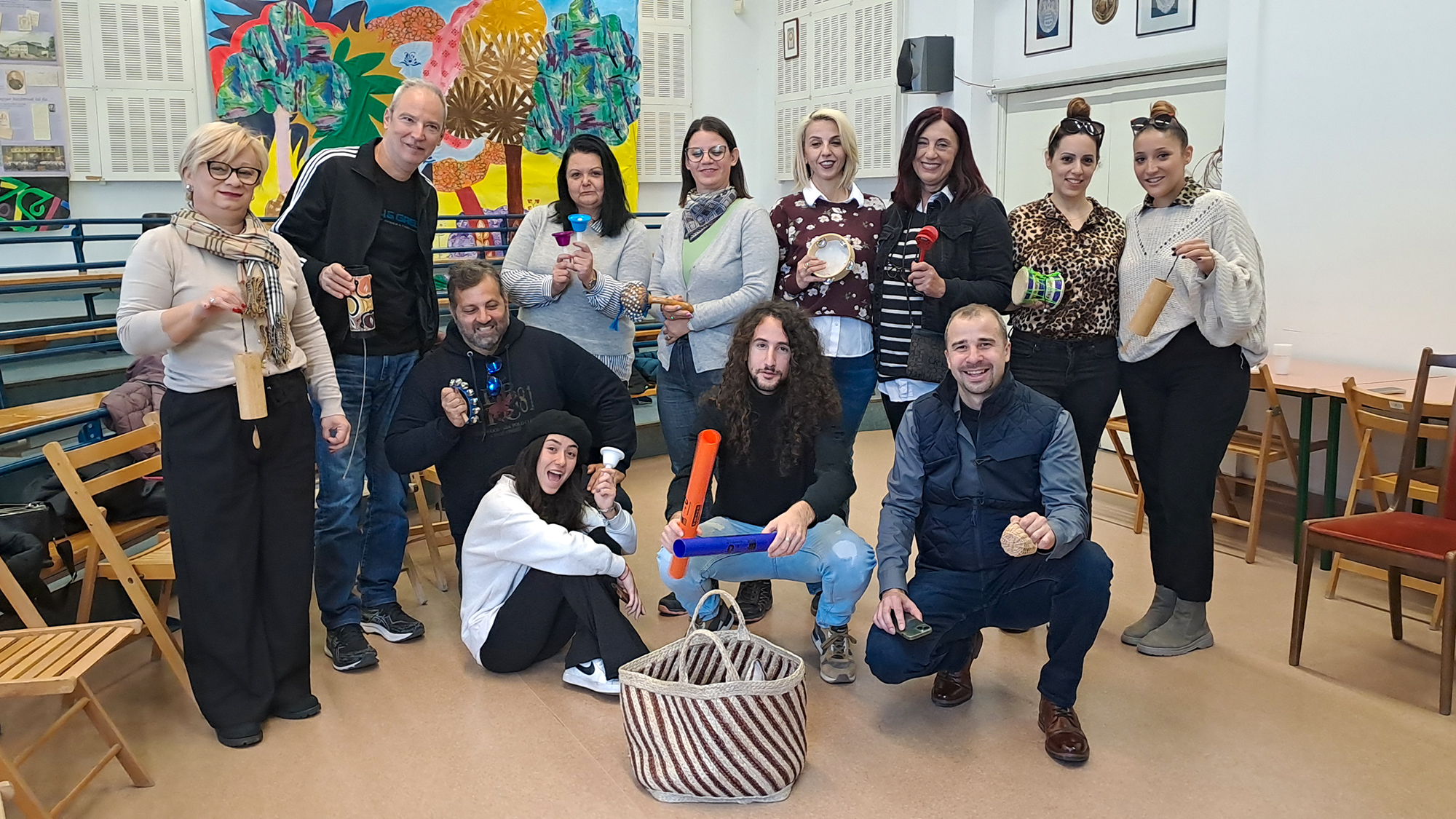
During the Hungarian multiplier event of Ma.Mu in November 2024, Edit Palinkas showcased selected ImMusic games to illustrate how certain structures developed in ImMusic could be adapted for younger audiences. She reflected on how user feedback and testing from ImMusic helped inform the gamified exercises in Ma.Mu, ensuring they were both engaging and effective.

Furthermore, when writing the section on gamification methodology in the Ma.Mu Handbook, Edit integrated ImMusic insights, drawing attention to best practices in flow design, motivational elements, and adaptive challenge levels. The result is a more comprehensive pedagogical perspective that spans across age groups and educational settings.

Complementary target groups, unified mission

While Ma.Mu and ImMusic differ in audience – primary vs. secondary/young adult learners – they are united by a shared mission: to make music a gateway to learning, confidence-building, and creativity. Educators, facilitators, and cultural professionals who work across age ranges will find natural synergies between the two projects, with many Ma.Mu tools serving as preparatory steps for ImMusic activities.

Looking ahead

The collaboration and cross-pollination between Ma.Mu and ImMusic demonstrate the power of coherent educational design across Erasmus+ initiatives. As more practitioners discover the tools and insights of both projects, the potential to scale up their impact – in schools, youth centers, and beyond – continues to grow.

The work of Edit Palinkas, both as Ma.Mu’s coordinator and a core developer in ImMusic, is a testament to the value of interdisciplinary thinking and long-term strategy in cultural and educational innovation.

ImMusic at Classical:NEXT

ImMusic at Classical:NEXT

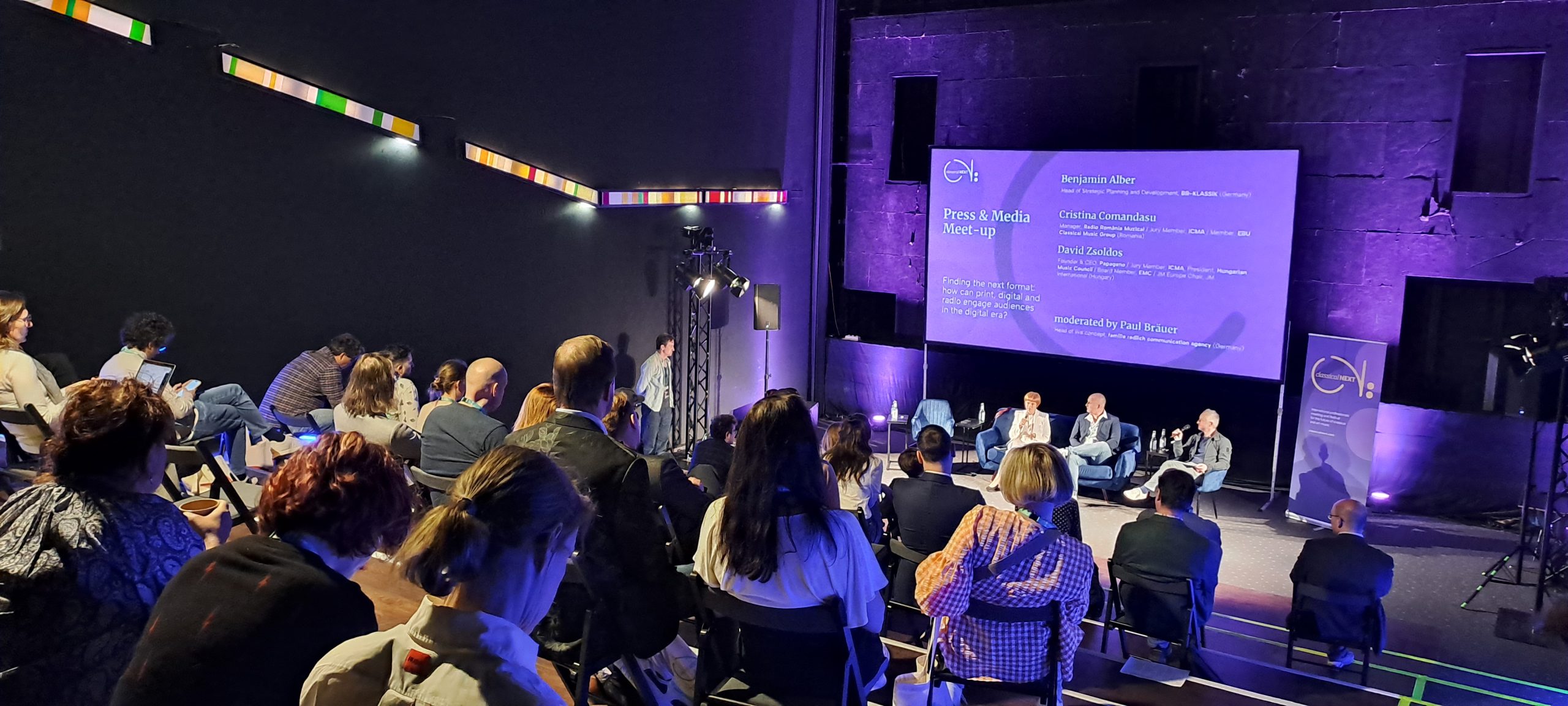
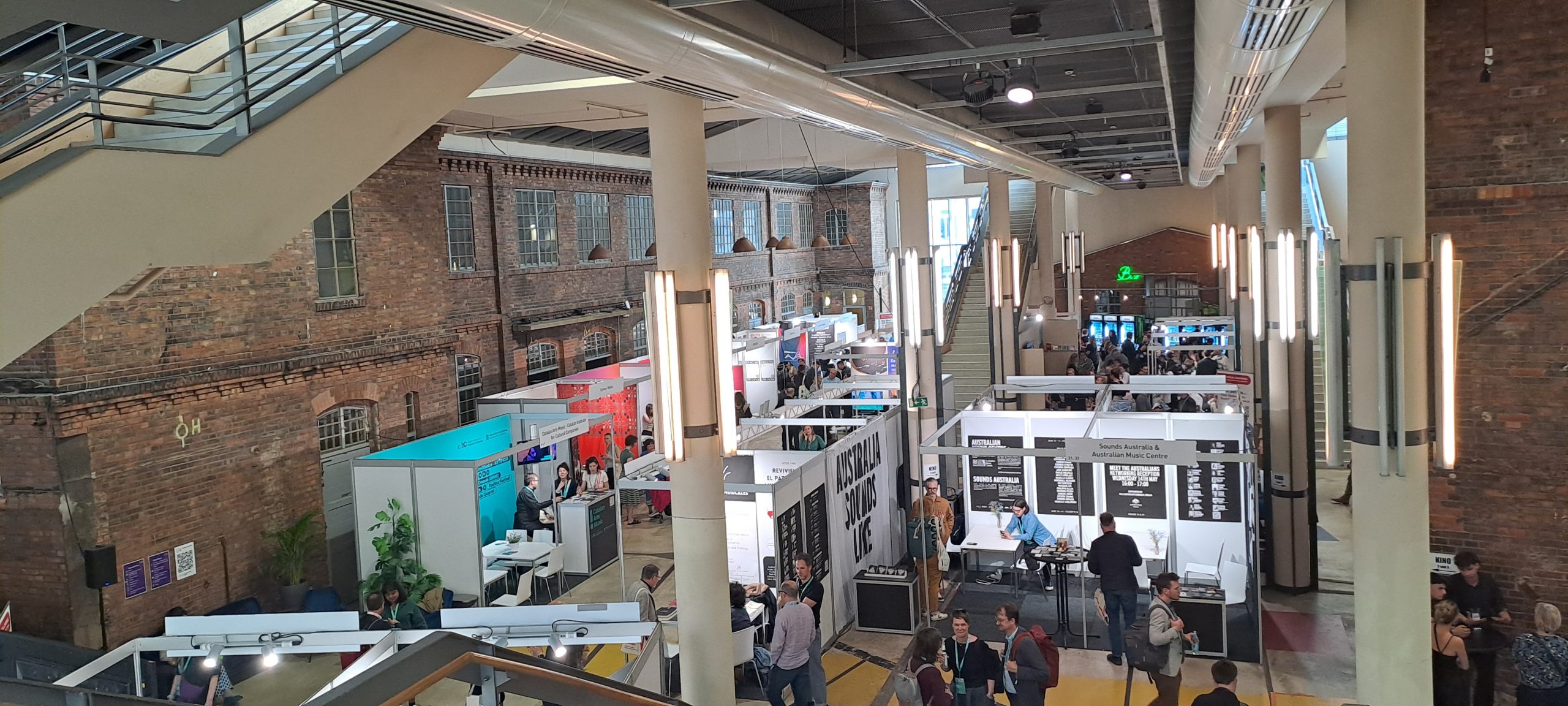
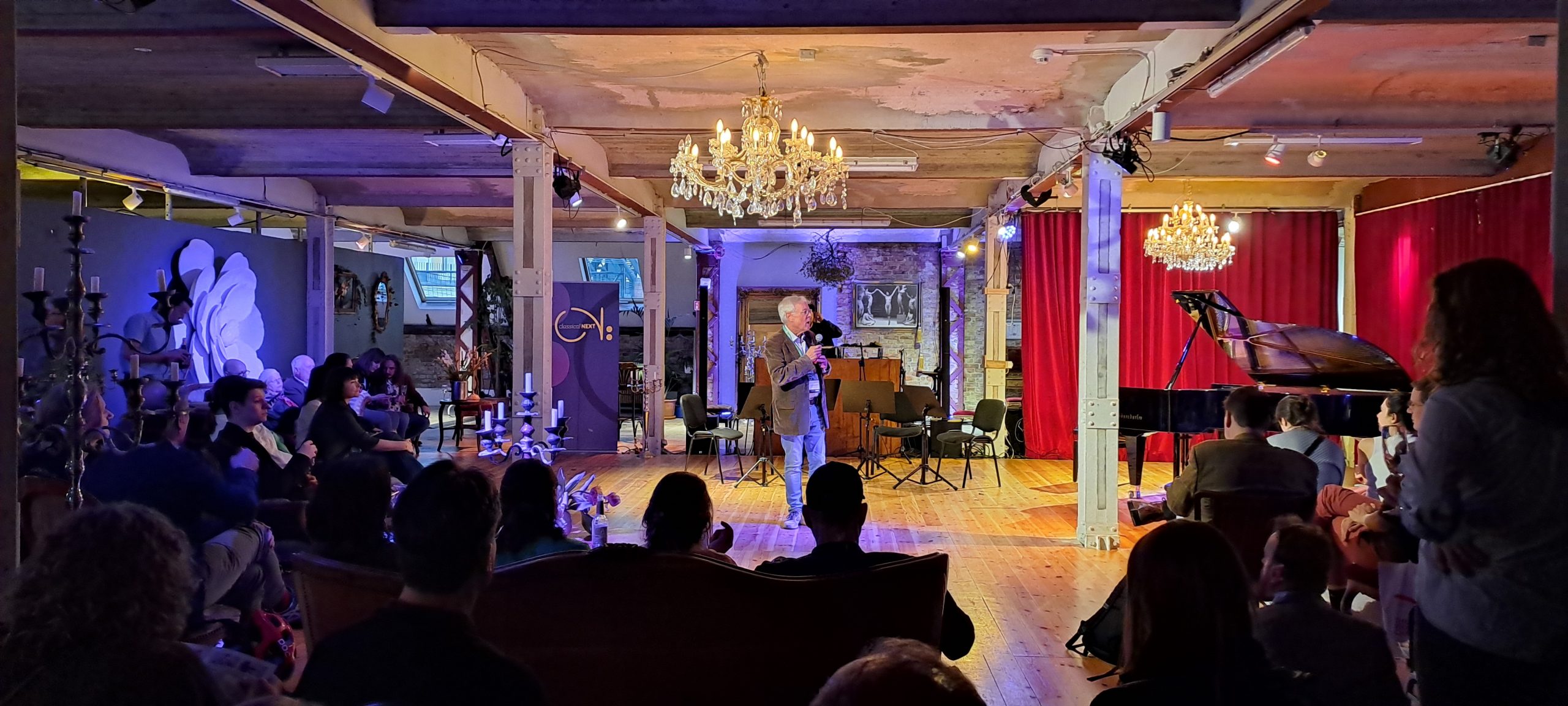
This May, we brought ImMusic to Classical:NEXT in Berlin – a global meeting point for musicians, educators, and cultural changemakers. Representing Divisart, Edit Palinkas joined hundreds of delegates to explore the evolving role of classical music in society, and to share how music, especially in non-formal settings, can become a bridge between cultures, generations, and disciplines.

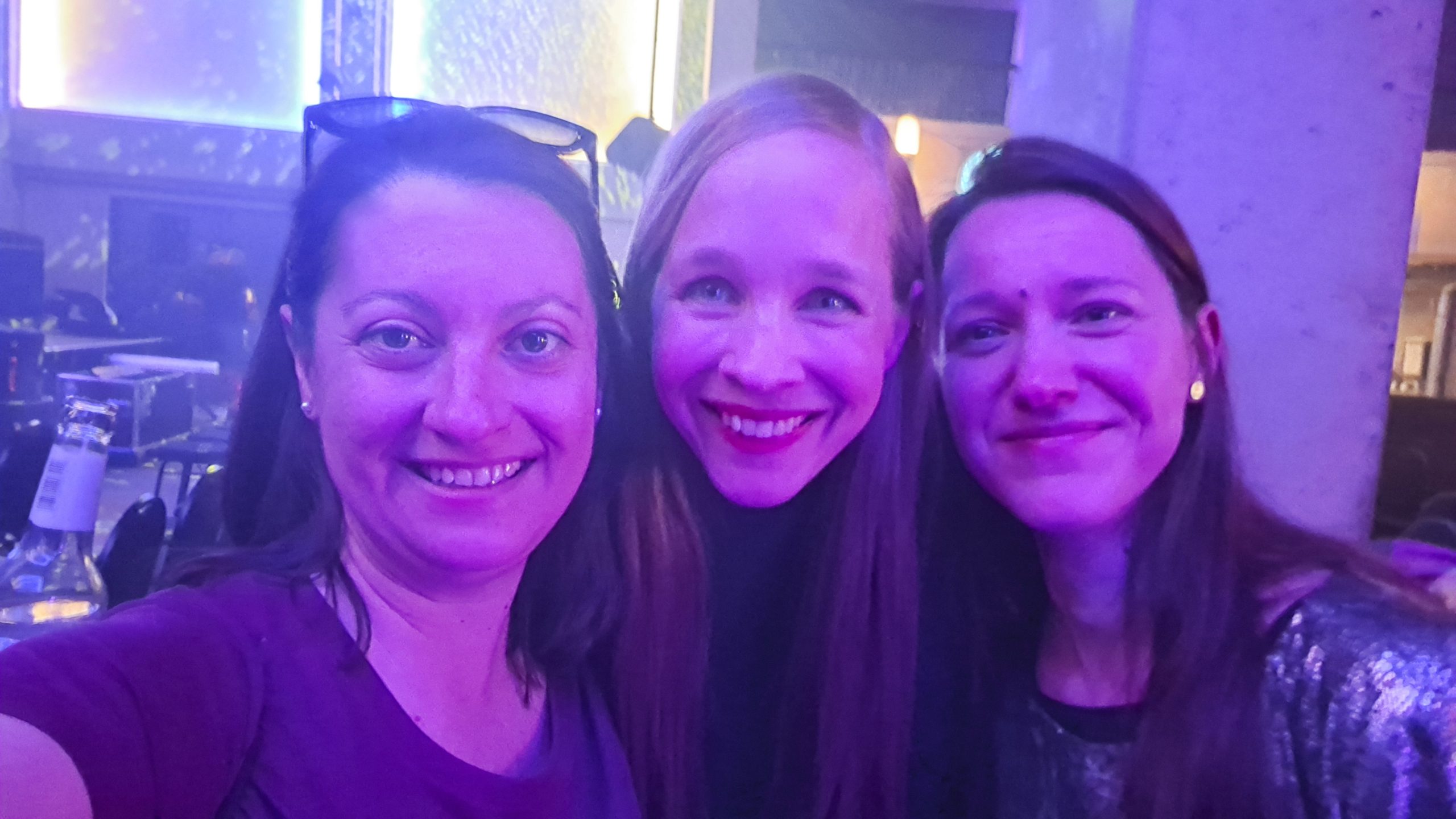
The three days were still rich with small group conversations, one-on-one exchanges, and spontaneous dialogues that made a lasting impact. These moments – alongside a focused, small-scale international session with partners from Finland and Canada – formed the foundation of a meaningful and energizing experience.

Music beyond the stage

ImMusic isn’t about performance. It’s about what happens before and beyond the stage, when young people explore identity, rhythm, creativity, and connection through music. It offers youth workers and educators a toolkit of games, clapping exercises, folk song arrangements, and creative prompts, all built to make music accessible, social, and fun for teens and young adults up to age 30.

These tools were met with curiosity and enthusiasm throughout the event. Educators from across Europe, Asia, and North America expressed a shared need for flexible, adaptable materials – especially those that support intercultural dialogue, community building, and emotional development. And that’s exactly where ImMusic lives.

Conversations that count

Across panels, hallway chats, and late-night talks, one message echoed again and again:
Music matters, but we need to keep proving it.

  • Music is being deprioritized in education systems globally.
  • There’s a lack of tools to support students with special educational needs.
  • The gap between music and other school subjects remains wide.
  • Non-formal education is undervalued – yet it’s often where the deepest impact happens.
  • Policymakers and parents don’t always see how music shapes empathy, confidence, and connection.

These concerns resonated deeply with the core values of ImMusic, which was originally developed to support youth in developing interpersonal skills, cultural awareness, and emotional literacy through music-based play.

Building forward, together

It wasn’t one big moment that defined the experience – it was the collection of smaller ones: shared ideas, questions over coffee, nods of recognition when someone described a workshop challenge or a student’s breakthrough. Those conversations reinforced something we already believed: ImMusic belongs in international dialogue.

As we move forward with expanding the toolkit and connecting with new communities, we carry this energy with us into workshops, training sessions, and future collaborations.

And with Classical:NEXT 2026 heading to Budapest, we’re already planning. We’ll be there with new partners, new stories, and an even stronger belief that music-based learning has a vital place in youth development.

Because sometimes the most powerful changes begin in the smallest conversations.

Cross Over Lithuania

Cross Over Lithuania

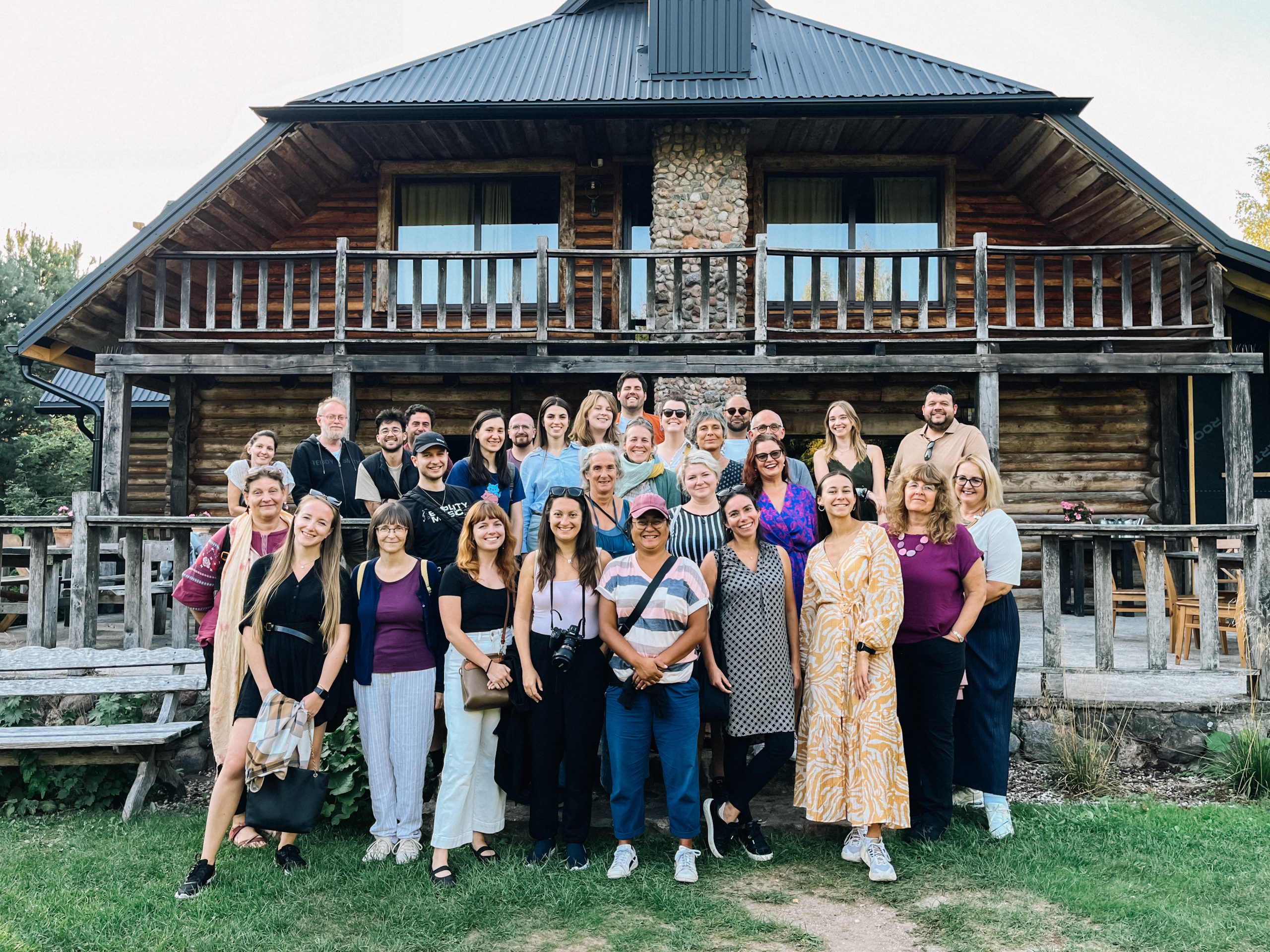
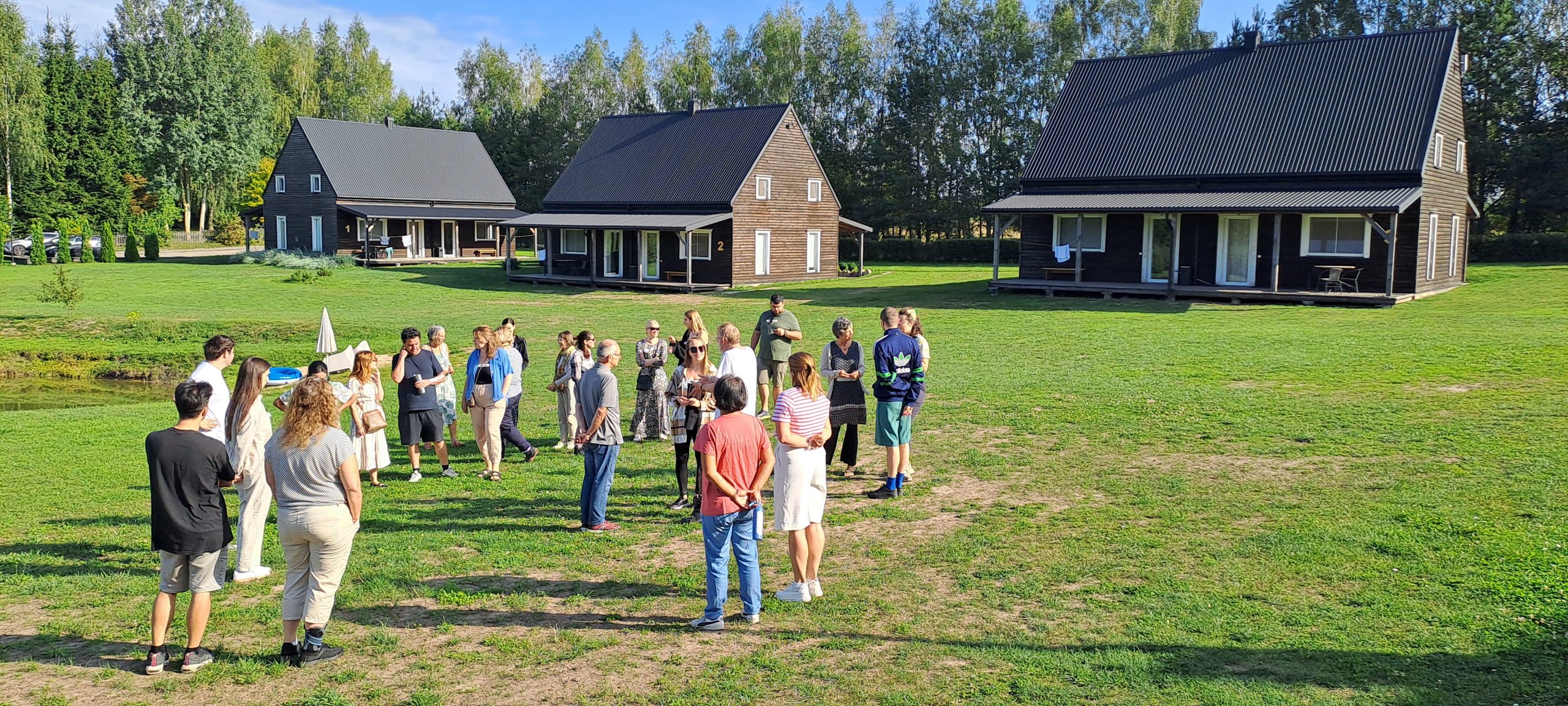
In late August 2024, Edit Palinkas represented the Aurin and Miraculum Foundation at the Cross Over 2024 training course in Kaunas, Lithuania. Organized by the Agency of Youth Affairs, the event brought together youth workers and project coordinators from across Europe to develop new Erasmus+ strategic partnerships, share best practices, and strengthen cross-border collaboration in the field of youth work.

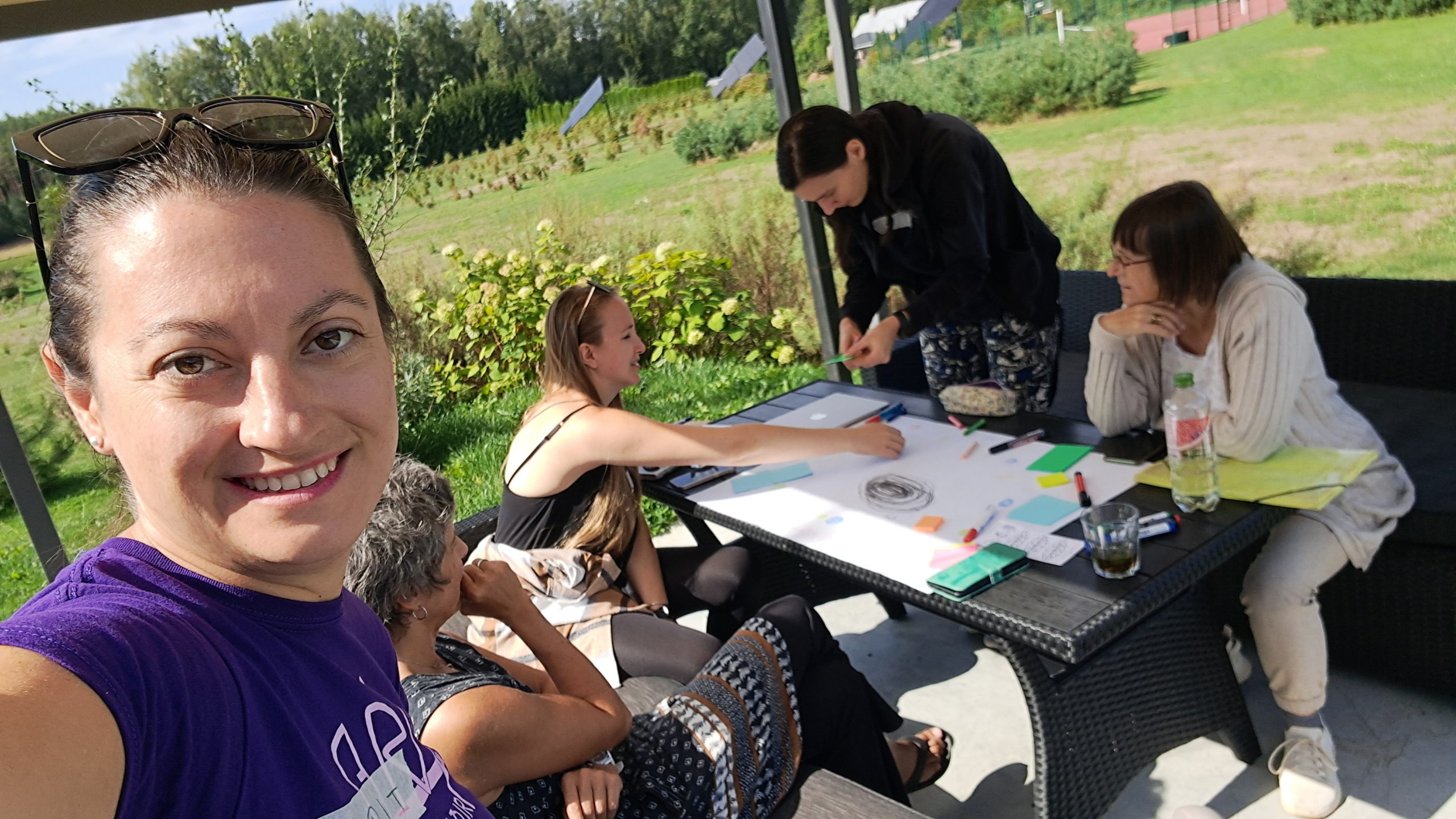
Held in the welcoming and nature-filled surroundings of Sadauskų Sodyba, the week offered both structure and freedom: daily workshops on KA2 project design, impact, evaluation, and sustainability, combined with evening networking events and small-group discussions that encouraged open exchange.

During the program, Edit had the opportunity to present ImMusic, an Erasmus+ project focused on using music games and creative methods to support non-formal learning and intercultural engagement among youth. The concept of gamified music-based learning sparked several personal conversations with participants from various countries, all working on educational innovation in youth communities.

While the full details of the new Erasmus+ project she is currently developing remain under wraps, the training provided valuable feedback and inspiration for its direction. The open, collaborative environment in Lithuania proved once again how essential these international spaces are – not just for funding and frameworks, but for real dialogue, fresh ideas, and future friendships.