Please ensure Javascript is enabled for purposes of website accessibility

Sharing the Kodály Spirit in UK Schools

Sharing the Kodály Spirit in UK Schools

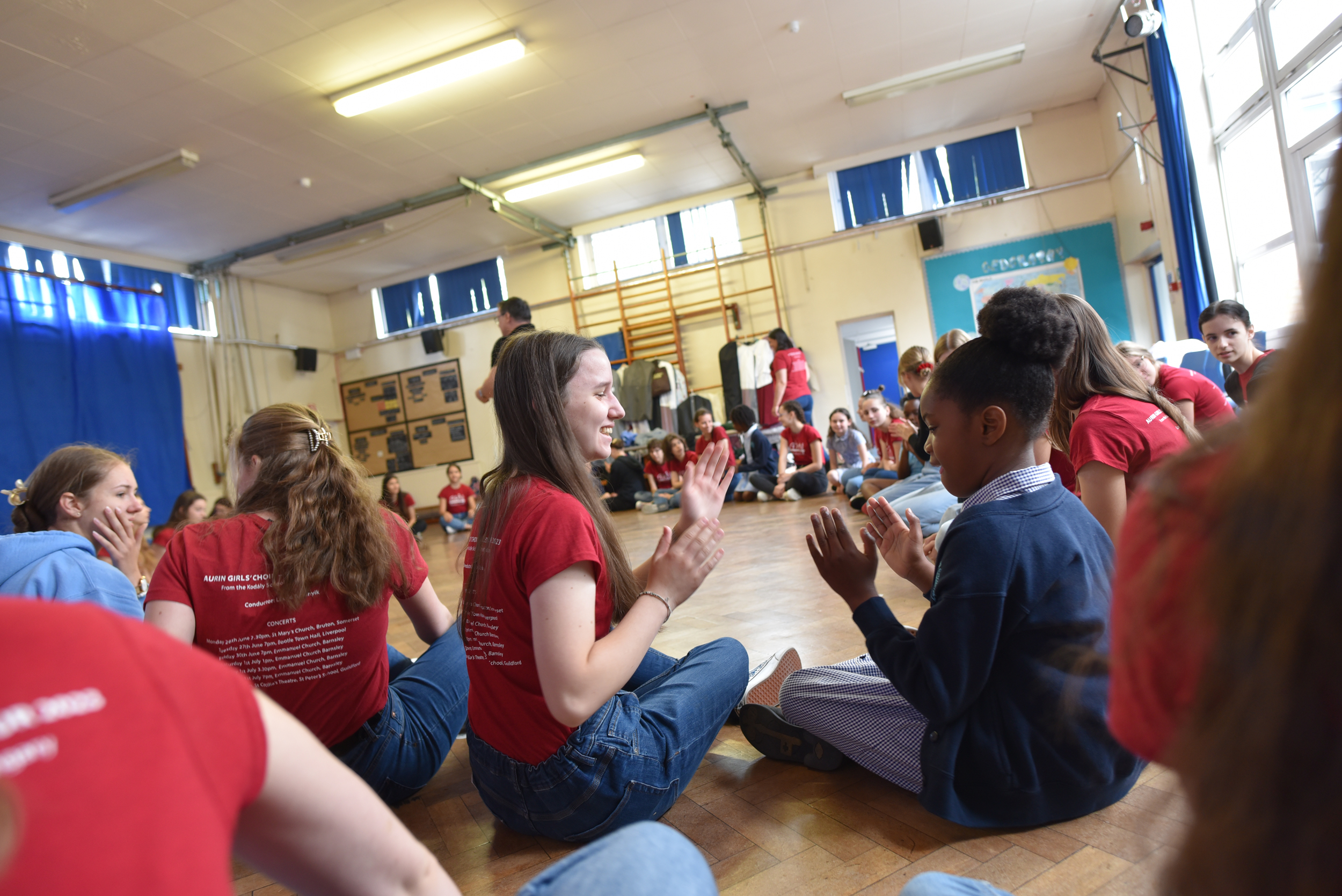
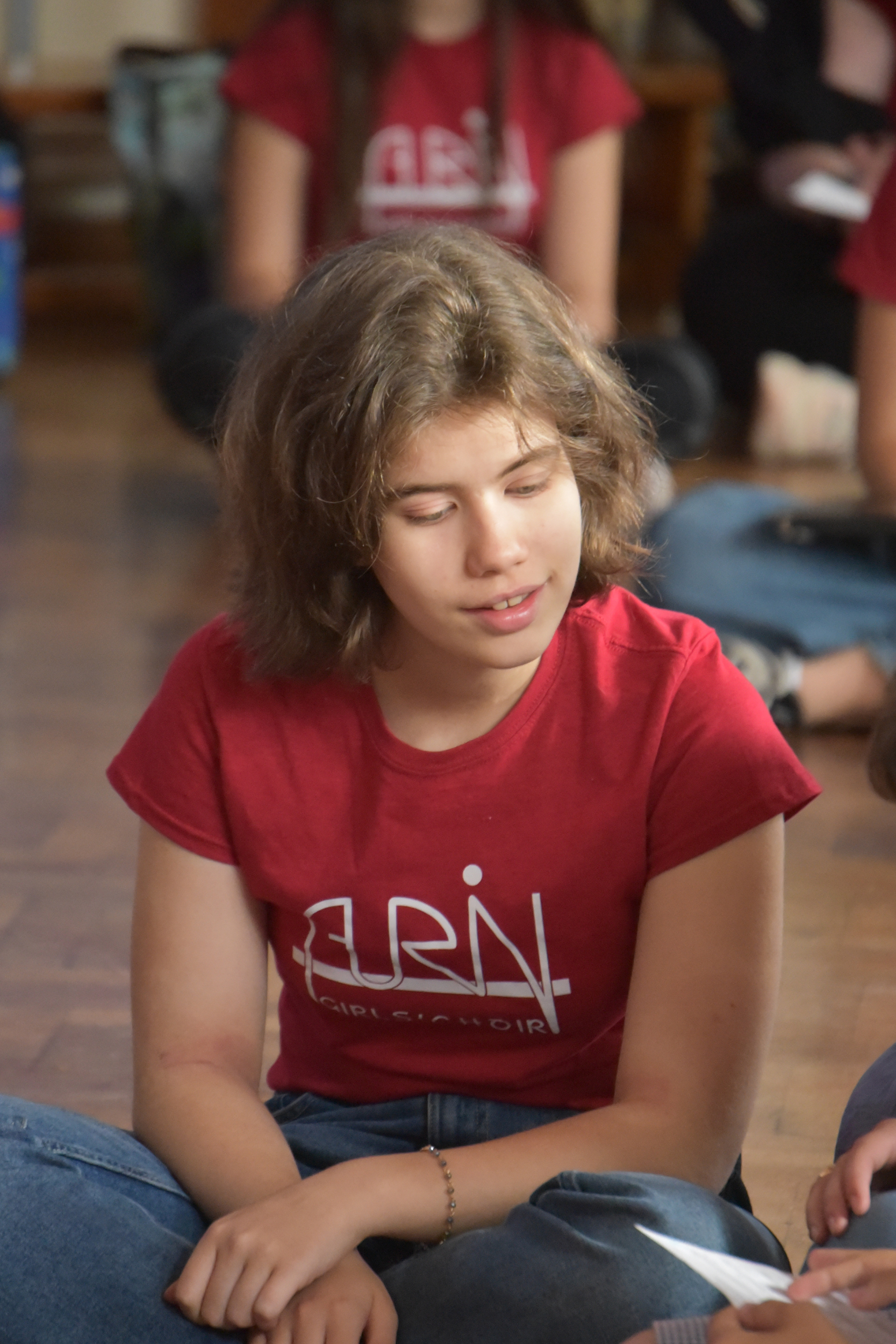
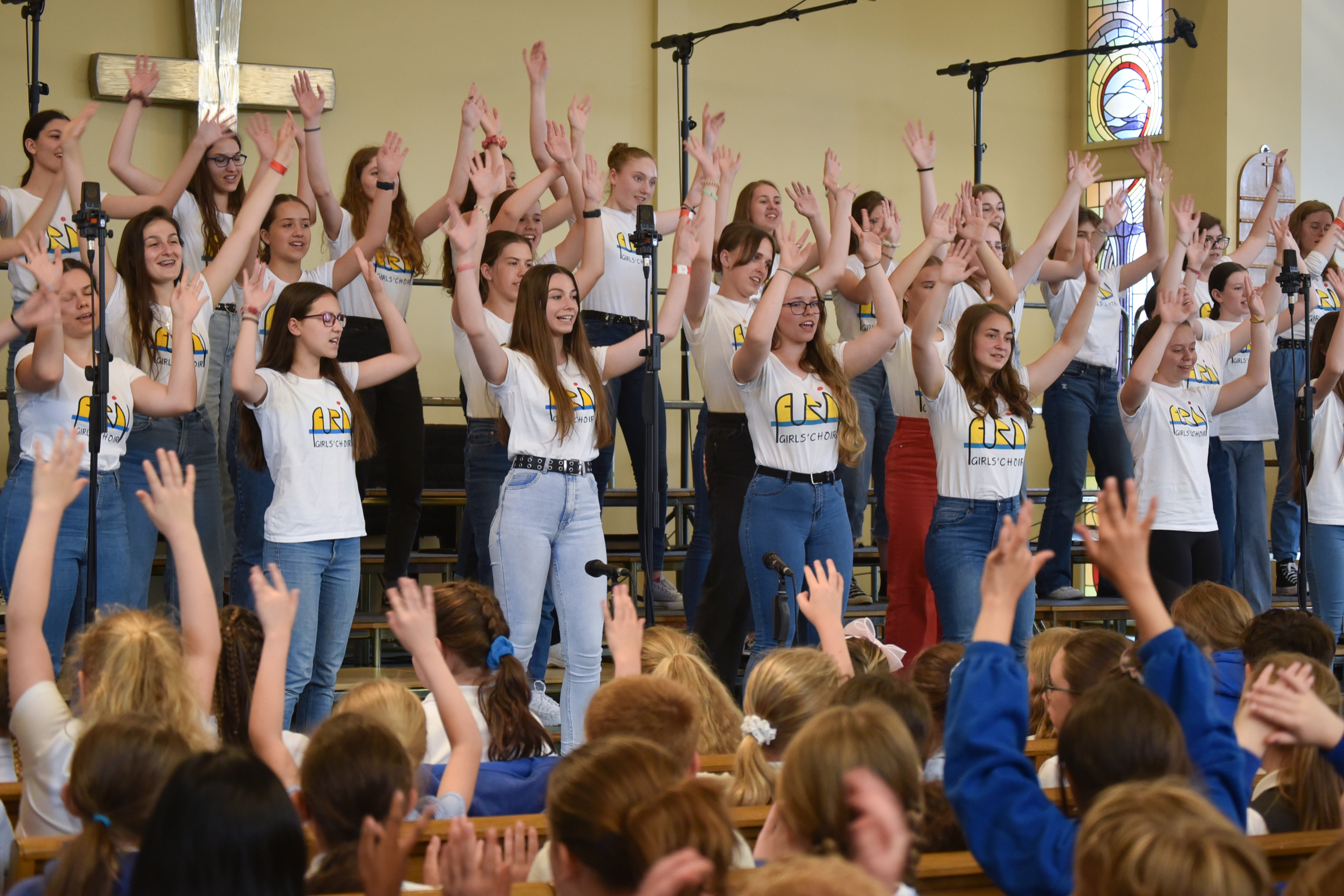
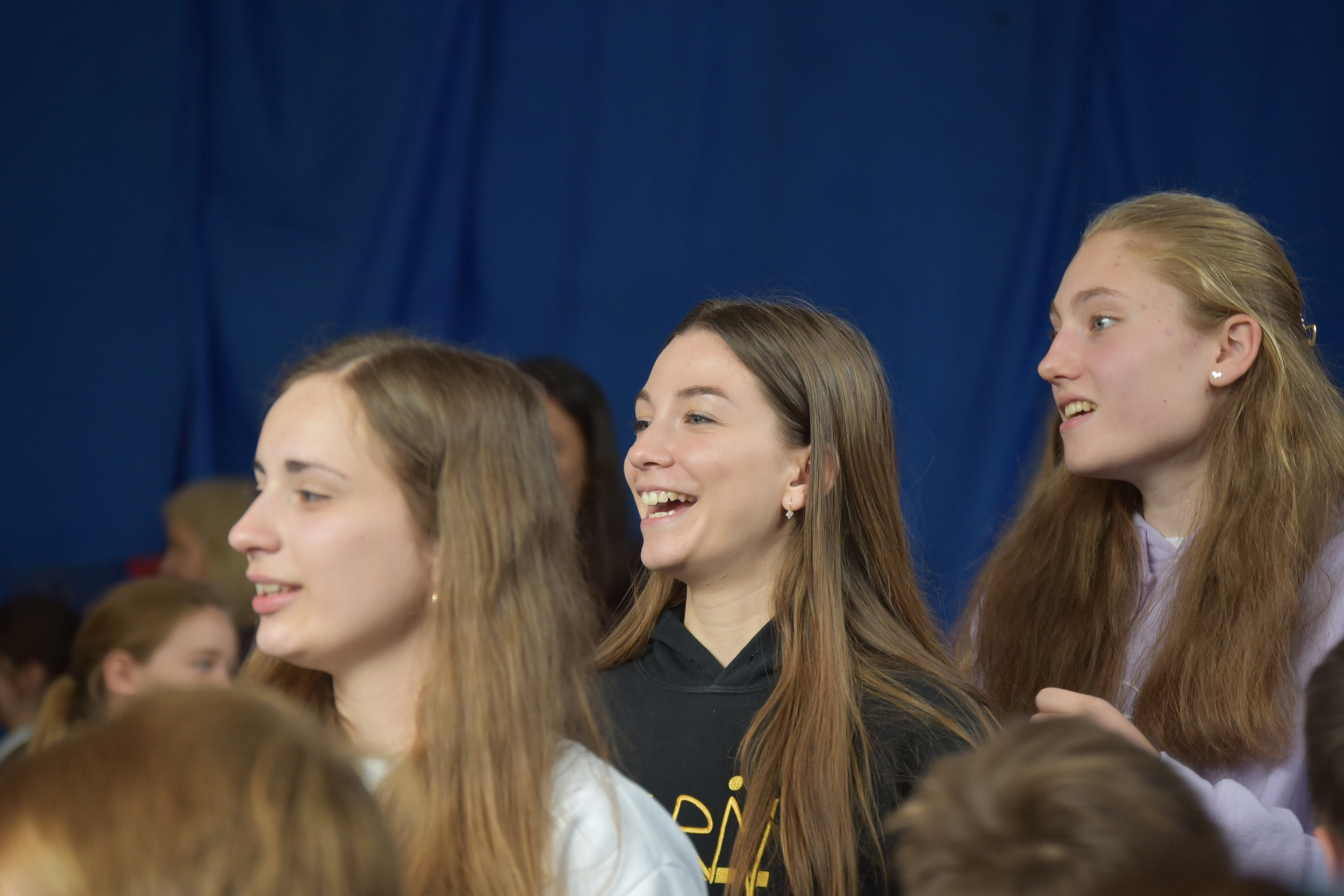
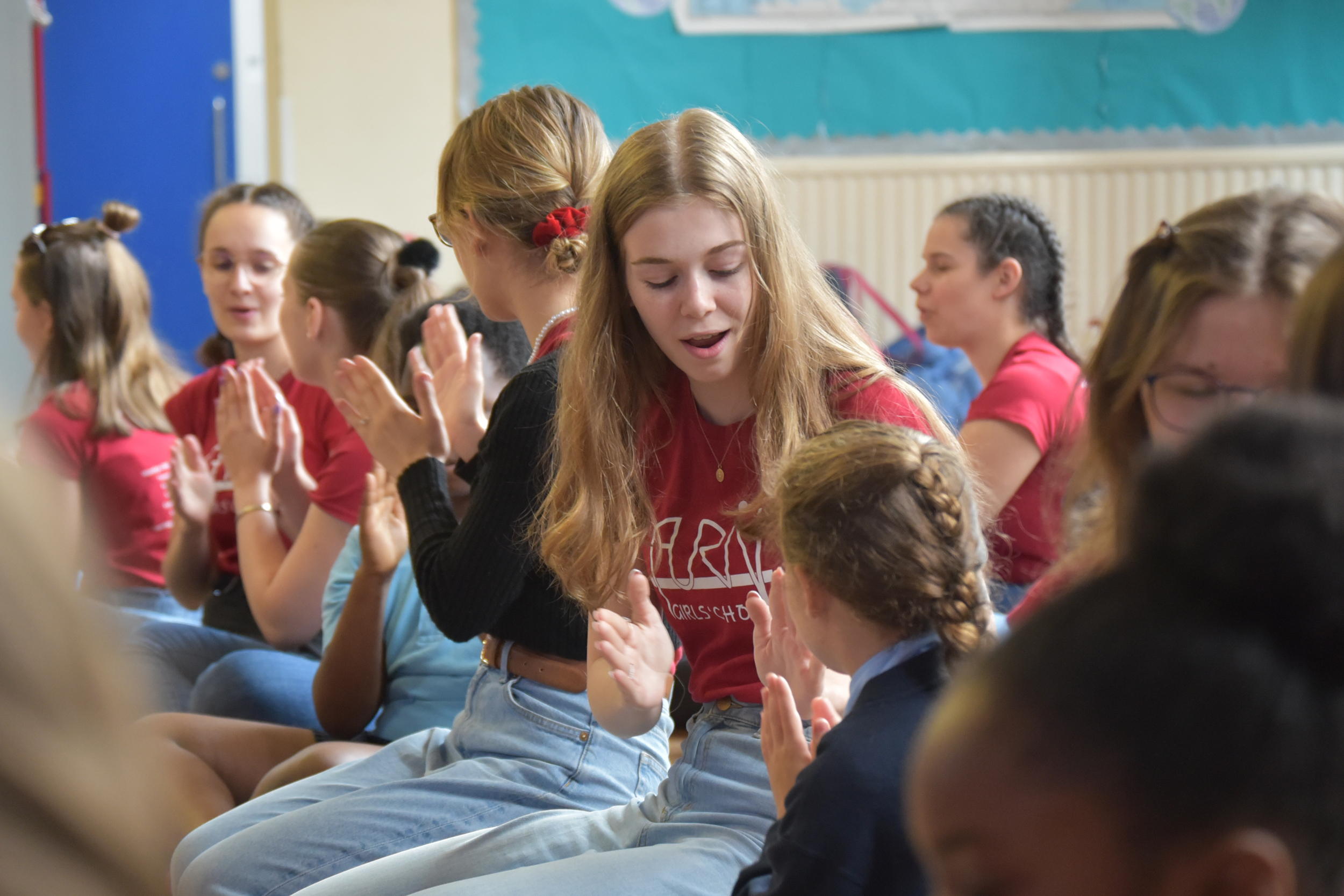
For over 25 years, summer has marked a special tradition for the leaders behind ImMusic: traveling from Hungary to the UK to bring Kodály-inspired music workshops to local schools and choirs. What began in 1998 as a cultural exchange has grown into a rich practice of musical collaboration, educational discovery, and playful learning with the participation of young singers from the Aurin Girls’ Choir and Miraculum Children’s Choir of Kecskemét.

But this isn’t about concerts or performances. It’s about something deeper: the joy of learning through music games, and how those games help children connect with themselves and each other – regardless of their musical background.

In 2023, our team returned to England for two full weeks, leading workshops in Bruton, Liverpool, Barnsley, and Guildford. Each session brought together children of different ages and experiences – some familiar with solfa hand signs, others brand new to music-making. What they all had in common? A readiness to play, sing, move, and learn.

Each school welcomed us with open arms and very different starting points. Some children had musical training, others had never sung in a group before. But it didn’t matter.

Because when the clapping games begin, and when voices rise in call-and-response folk songs, something shifts. Whether it’s a group of six-year-olds or teenagers, something unlocks. Children laugh, echo rhythms, follow hand signs, create music together. Suddenly, a classroom turns into a community.

Learning through play

These workshops aren’t just about musical technique. They’re about confidence, collaboration, expression, and joy. The games we bring – whether they’re simple imitations or multi-part movement sequences – work equally well as warm-ups, team-building tools, or classroom energizers.

Time and again, teachers tell us how valuable these sessions are. Many stay to chat afterward. Some have even prepared their classes for the visit, learning Hungarian songs or watching videos about the Kodály method. Others observe with curiosity, and later ask: Could we use these games every week? Would this work in our assemblies? Could our staff learn this, too?

The answer is always: yes. These games are adaptable. They can be as light-hearted or as structured as needed. And they work not only in music classes, but across subjects, age groups, and school settings.

A two-way exchange

For us, these visits are equally enriching. We get to see the value of music-based learning beyond our own traditions – to witness how a small musical idea can ripple out into a whole school’s energy. It reminds us that these tools aren’t only for choirs or workshops, but have a place in formal education too – if approached with openness and creativity.

In a time when children (and teachers) are under pressure, music can be a release. A way to reconnect with the body, the breath, the group. A playful return to rhythm and voice.

ImMusic Workshop in Budapest

ImMusic Workshop in Budapest

At the end of November 2022, we held an ImMusic workshop with international participants, young people from five countries came to us to try out the playful exercises that we developed for youth workers during the project. At the workshop, vocal, rhythmic and instrumental games alternated, at different levels of difficulty. The games were led by experts from the Hangkeltő Foundation: Paula Chelemen, Zsuzsa Búzás, Edit Pálinkás, Melinda Nagy, Ágnes Horváth and Csaba Tőri, based on the descriptions made in the exercise collection.

I can apply in my choir teaching to mainly amateur singer and group that has mostly no formal musical education.

I use the exercises again and again at youth events. The exercises can be used very well in youth and community work. The workshop helped me a lot in understanding music and focused on the importance of social activity.

The games are usable, changeable and effective. They can be taken as a “skeleton” of an exercise, and everyone can build new exercises on them.

It was wonderful to be together and feel the rhythm of life together. The tasks can develop a lot of skills, I will use them consciously, e.g. in team building.

Some of the games were really useful to make children feel the steady beat. And also the exercises which contains improvising is really useful to do with youth groups, because they can use their imagination to express themselves through these musical exercises.

Get a plenty of ideas that I can apply in my future activities with youth groups.

Have you ever experienced that there is an “idle” during training sessions, meetings or discussions?

Are the participants on their phones, bored, waiting for something to happen?

In the framework of the ImMusic international project, the partners set the goal of developing music sessions that are easy to learn for the members of youth groups, communities, clubs, and public spaces, and that can also be operated under the guidance of youth workers. They develop the individual skills of the participants (self-control, self-expression, movement coordination, focus, thinking in a team, etc.) in a playful way, with minimal equipment requirements, as well as the social and communication skills necessary for cooperation between group members (listening to each other, pace and step maintenance, solidarity, mutual aid, etc.). During the exercises, the participants mainly use their own voice and their own body (singing, clapping, tapping, clicking, rhythmic walking, touching thighs, knees or ankles, etc.), but they can use simple tools, mainly as percussion instruments (spoon, pot, jug, piece of wood, table top, ball, etc.).

Dozens of exercises were created within the project, which will soon be available online for the public. Among these, there are quite simple ones that can function as a relaxing break for a few minutes, but there are more serious ones that require more preparation on the part of the animators (e.g. play audio and video recordings), and can even be recurring elements of a training/training/camp. Within the framework of the project, the coordinator Hangkeltő Alapítvány will hold an international workshop on November 25-27, 2022, in Budapest for youth workers and animators, where we will prepare them for the practical use of these musical exercises.

Venue

ImPulzus Creative Music Lab
1067 Budapest, Csengery u. 76., 1st Floor 7., Door bell 107

Programme

25 November 2022  Friday

10.00 – 13.00 Online discussion with the participants on their previous experiences in music and/or youth work
14.00 – 17.00 Meeting with the trainers at ImPulzus Creative Music Lab

26 November 2022  Saturday

9.30 Registration
10.00 – 11.20 Project presentation, warming up exercises
coffee break
11.40 – 13.00 Singing exercises
lunch break
14.30 – 15.20 Rhythm exercises
coffee break
15.40 – 17.00 Music games

27 November 2022  Sunday

10.00 – 11.20 Singing exercises
coffee break
11.40 – 13.00 Rhythm exercises
lunch break
14.30 – 15.20 Music inspirations
coffee break
15.40 – 17.00 Singing and moving

The workshop tasks are presented by

Dr. Zsuzsa Csontosné Buzás – assistant professor, Károli Gáspár Reformed University, Faculty of Pedagogy

Csaba Tőri – music teacher, choir conductor, the initiator of the ImMusic project

Edit Pálinkás – cultural manager, the initiator of the ImMusic project

Paula Chelemen – clarinetist, teacher of ImPulzus

Melinda Nagy – music teacher, head of ImPulzus’ children’s programs

Dr. Ágnes Horváth – music teacher, youth expert, retired professor

Into the World of (Im)Music with a Guitar

Into the World of (Im)Music with a Guitar

Our instrumental tasks are more difficult to test because certain locations do not have the right equipment for it. However, if we come to a place where, for example, there are several guitars, and there is someone in the team who can help the others learn the basics of the instrument, we are capable of miracles!

Something is coming

Something is coming

We are already testing our game collection in print so that you will be able to use them as easily as possible. The collection will also be available for download, and you will be able to print out your favorites separately. And then, as you wish, you can staple the sheets together or spiral them as you like. In the first round, 60 games were completed, and we will continue to expand this as more and more ideas come to us. Feel free to send a music game that you think would be useful for young people!

Visiting the Blue Elephant

Visiting the Blue Elephant

We contacted the staff working at the Blue Elephant (Kék Elefánt) Youth Office and Community Centre on youth development within the framework of the Kecskemét Hírös Agóra, Hungary. At the meeting, in addition to the ImMusic project presentation and the testing of exercises, they presented to us the work of Kék Stúdió, which is part of the EFOP – 3.3.2.-16- 2016-00210 program.